Government earmarks over 730 million euros for the Single Social Benefit

The government has budgeted 734.3 million euros for the new Single Social Benefit (PSU) in the 2027 State Budget, a 10.1% increase over the estimated 2026 expenditure. This new benefit replaces 13 existing non-contributory social supports, with the increase linked to setting the reference value at 50% of the Social Support Index (IAS) and including a work incentive component.
Why it matters
If you currently rely on non-contributory social support schemes, these 13 benefits are being consolidated into the new PSU, which includes a higher reference value and new work incentives starting in 2027.
Price rises, cuts and rates that change what you pay each month.
Already have an account?
This update is from Bica
Your quick shot of what's changing in Portugal and affecting your status, your home, your money, and whatever might disrupt your day. Short and clear updates, gathered from Portuguese sources.
It's free to read, with no signup needed and no app to download.
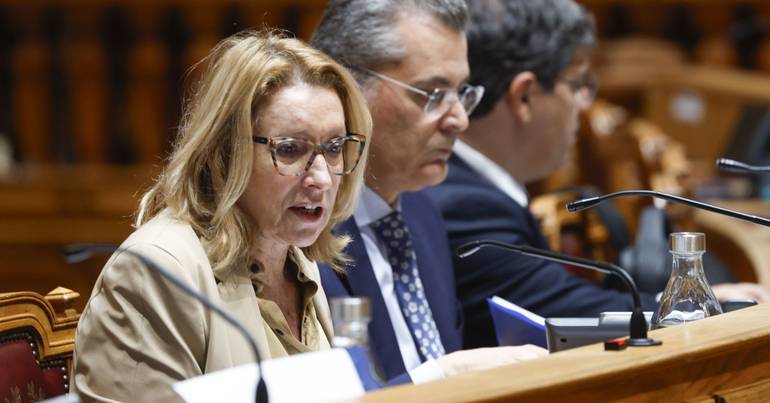
Minister Maria do Rosário Palma Ramalho announced that 2027 will bring mandatory updates to labour laws to align with European directives on digital platforms and salary transparency. The government also plans to implement the Single Social Benefit (PSU) and increase social pensions and parental benefits, with parental leave expenditures set to rise by 31% due to recently approved legislation.
The 'Poverty and Social Exclusion in Portugal 2026' report, based on 2025 data, indicates that women face a higher risk of poverty or social exclusion than men (19.7% compared to 17.3%). Additionally, over 500,000 people in Portugal were living on less than 482 euros per month in 2025, with child poverty increasingly concentrated among adolescents aged 12 to 17.
The European Commission has launched a formal investigation into Coca-Cola Europacific Partners (CCEP) over concerns that it has abused its dominant market position by restricting cross-border trade and preventing wholesale customers from negotiating multi-country deals. Alleged practices include conditioning wholesale discounts on not exporting products to other EU member states, creating artificial market differences through varied packaging sizes, and restricting imports, which may violate EU competition law and lead to higher consumer prices.