Brussels investigates Coca-Cola's commercial practices in Portugal and seven other countries
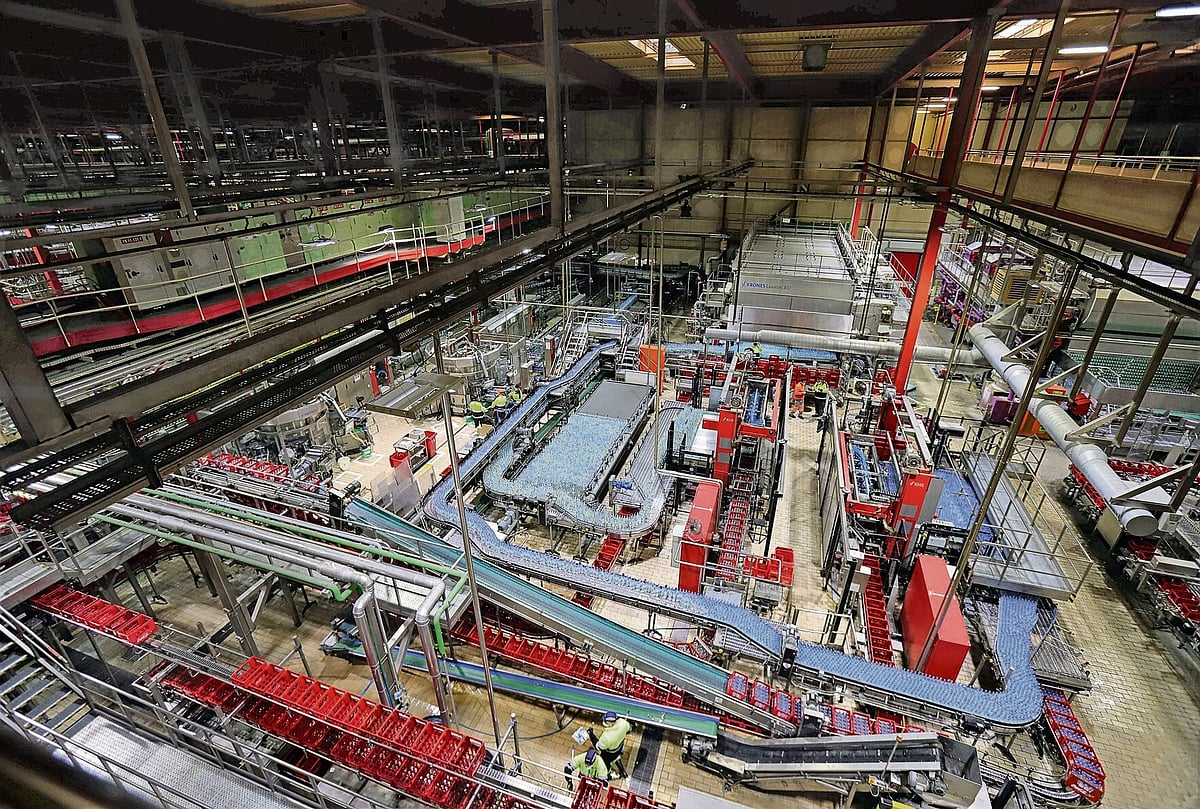
The European Commission has launched a formal investigation into Coca-Cola Europacific Partners (CCEP) over concerns that it has abused its dominant market position by restricting cross-border trade and preventing wholesale customers from negotiating multi-country deals. Alleged practices include conditioning wholesale discounts on not exporting products to other EU member states, creating artificial market differences through varied packaging sizes, and restricting imports, which may violate EU competition law and lead to higher consumer prices.
Why it matters
While this is a corporate investigation, it concerns potential practices that could artificially inflate prices for soft drinks across the EU; the investigation aims to determine if consumers in Portugal are paying more due to these restrictions.
Interest rates, wages and decisions that affect your budget.
Already have an account?
This update is from Bica
Your quick shot of what's changing in Portugal and affecting your status, your home, your money, and whatever might disrupt your day. Short and clear updates, gathered from Portuguese sources.
It's free to read, with no signup needed and no app to download.
The European Commission has launched infringement procedures against Portugal and seven other EU member states due to discriminatory tax legislation regarding pension funds and life insurance companies. This national legislation currently exempts domestic entities from certain taxes and allows them to deduct technical provisions, while taxing or restricting the same activities for equivalent entities based in other EU or EEA countries. Portugal has two months to respond to the formal notice and rectify these fiscal discrepancies before the Commission potentially advances to a reasoned opinion.
Unions and tenant collectives from seven European countries have scheduled simultaneous demonstrations for 20, 21, and 22 November. The protests aim to address rising costs of living, specifically demanding housing price controls, wage and pension increases, and a reduction in European rearmament spending.
Portugal and seven other EU member states wrote to the European Commissioner for Climate, Wopke Hoekstra, to demand that the EU Emissions Trading System 2 (ETS 2) takes effect in 2028 without further delays. The ETS 2 covers emissions from fuels used in buildings and road transport, a mechanism that countries like Italy and Poland have sought to postpone or weaken. The eight environment ministers argue that the system is vital to reduce Europe's dependence on imported fossil fuels, cut vulnerability to geopolitical tensions, and promote electrification.