DGS simplifies monitoring of people on HIV pre-exposure prophylaxis
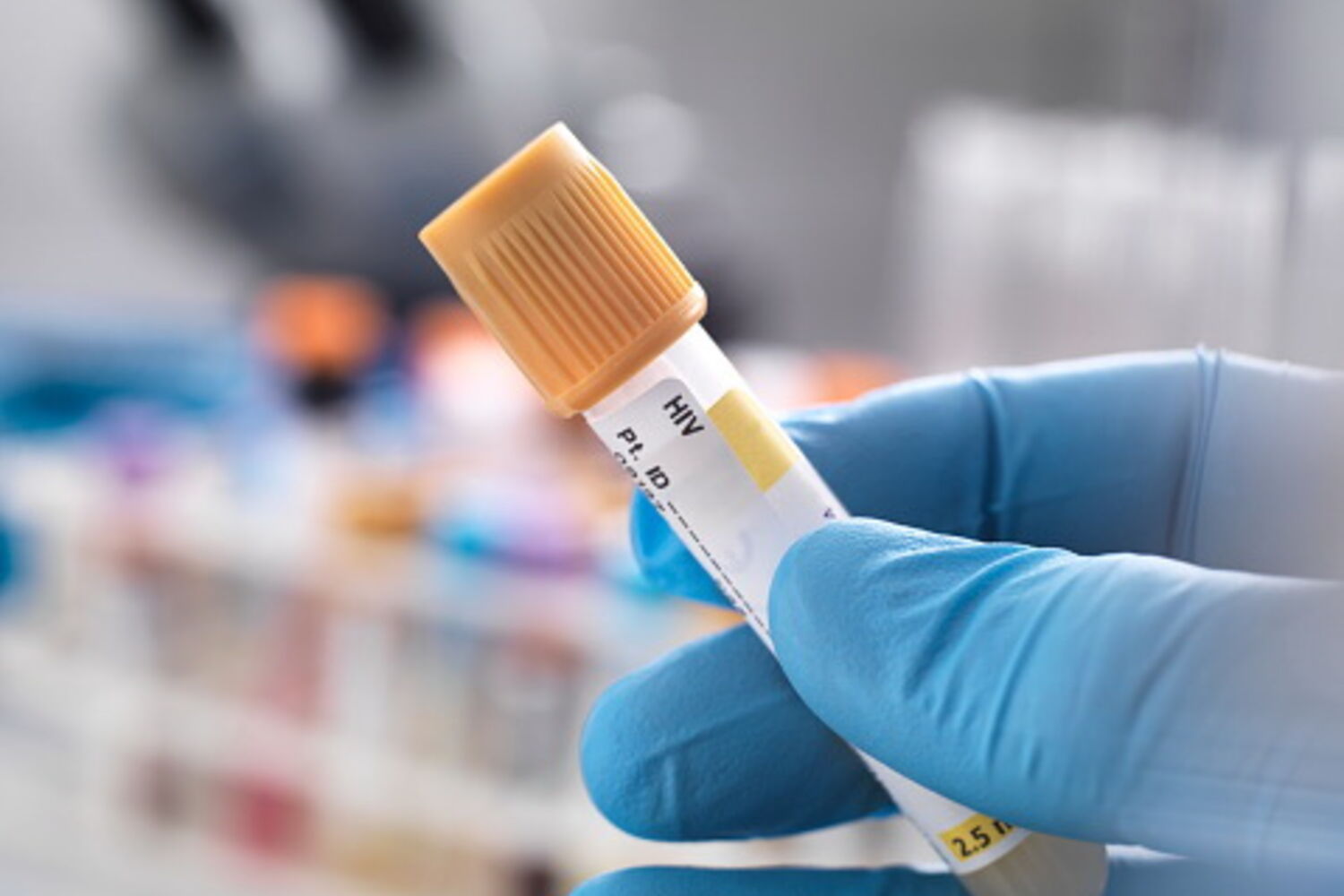
The Directorate-General of Health (DGS) updated its guidelines to simplify PrEP monitoring and allow prescriptions within primary healthcare centers and community-based organizations. Clinical follow-ups for those on long-term PrEP can now be conducted by either doctors or nurses, via in-person or remote consultations, at intervals of three to six months based on individual risk assessment.
Why it matters
If you are on or considering HIV pre-exposure prophylaxis (PrEP), you can now access prescriptions and monitoring through your local primary healthcare provider (centro de saúde) rather than specialized hospital settings, making the service more accessible.
SNS changes, hospital pressure, closures and changes where you live.
Already have an account?
This update is from Bica
Your quick shot of what's changing in Portugal and affecting your status, your home, your money, and whatever might disrupt your day. Short and clear updates, gathered from Portuguese sources.
It's free to read, with no signup needed and no app to download.
A new DGS directive allows for the distribution of PrEP (pre-exposure prophylaxis for HIV) through local health centers and community organizations. However, these associations are currently unable to initiate these consultations due to a lack of allocated funding.
The National Federation of Education (FNE) criticized the use of national exam rankings as a primary indicator of school quality. The federation argues that these rankings ignore critical factors like student socioeconomic contexts, available resources, and teacher stability, advocating instead for a more holistic evaluation that accounts for school inclusion and success relative to student profiles.
The Directorate-General for Health (DGS) will launch a new Priority Health Program for rare diseases in January 2027, led by Maria do Céu Machado. The initiative aims to execute and monitor 25 strategic priorities identified for 2025-2030, which have faced implementation delays, focusing on improved diagnosis, faster identification, patient referral, and cross-institutional coordination.