Consortium led by Spain's Sacyr wins second high-speed rail tender
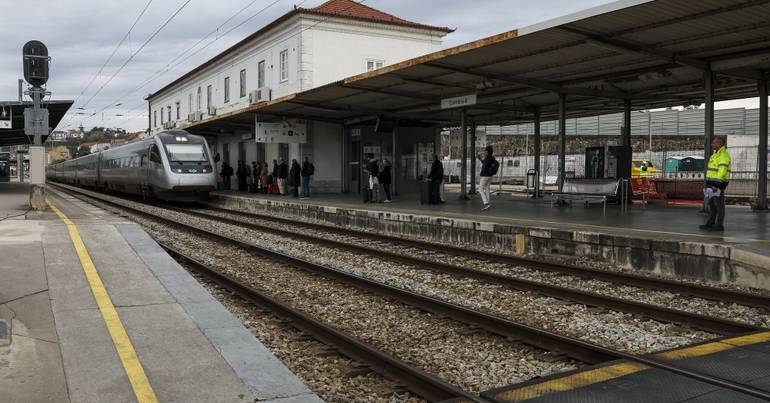
A consortium led by Sacyr, alongside Portuguese firms Alberto Couto Alves and DST, won the tender for the second high-speed rail section between Porto and Lisbon, spanning 60 kilometres between Oiã and Soure. The final report disqualified the rival Lusiave consortium led by Mota-Engil for non-compliance with tender specifications. The winning public-private partnership bid has a base price of 1.485 billion euros, representing an estimated savings of 145.2 million euros.
Why it matters
The high-speed rail project between Porto and Lisbon moves forward with the second major section awarded, though construction timelines and future service availability remain subject to contract finalisation.
Planned metro, train, ferry, flight and road disruptions in your area, by email.
Already have an account?
This update is from Bica
Your quick shot of what's changing in Portugal and affecting your status, your home, your money, and whatever might disrupt your day. Short and clear updates, gathered from Portuguese sources.
It's free to read, with no signup needed and no app to download.
The municipality of Coimbra confirmed that the tender for the second section of the high-speed rail line between Oiã and Soure is expected to be formally awarded in December to a consortium led by Sacyr. The project, valued at 1.458 billion euros, includes the construction of a high-speed line, the quadrupling of the North Line near Coimbra, and an intermodal station, with construction estimated to begin in 2028 and last approximately five and a half years.
The contract for the second section of the high-speed rail line, between Oiã and Soure, has been awarded to a consortium led by Sacyr. Construction in Coimbra is scheduled to begin in 2028 and is expected to last at least five and a half years, requiring the city to relocate its bus terminal and parking areas.
Spanish manufacturer Talgo intends to propose high-speed trains capable of running on both Iberian and international (European) gauges for Portugal's high-speed rail tender. While the 504 million euro CP tender does not currently require or incentivize variable-gauge technology, Talgo argues this capability would provide long-term flexibility should Portugal transition its infrastructure in the future. The company also stated its intent to develop local capacity for maintenance and labor training in Portugal if awarded the contract.