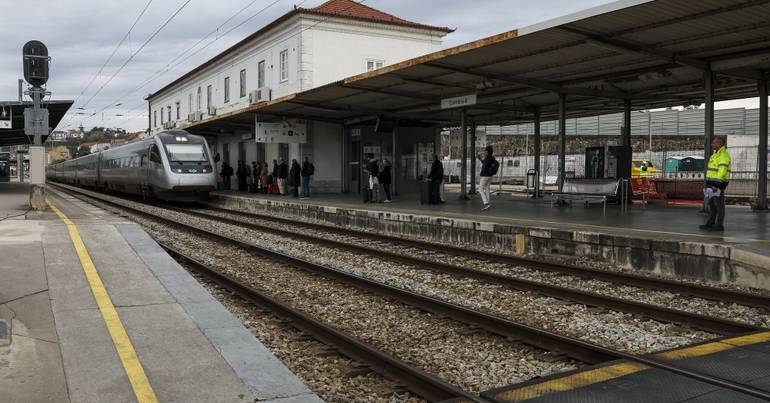
Ana Abrunhosa confirms high-speed rail contract award; Coimbra works to restart in 2028
The contract for the second section of the high-speed rail line, between Oiã and Soure, has been awarded to a consortium led by Sacyr. Construction in Coimbra is scheduled to begin in 2028 and is expected to last at least five and a half years, requiring the city to relocate its bus terminal and parking areas.
Why it matters
If you live in or commute to Coimbra, expect significant long-term urban construction beginning in 2028 that will likely disrupt local traffic and current station parking arrangements.
Planned metro, train, ferry, flight and road disruptions in your area, by email.
Already have an account?
This update is from Bica
Your quick shot of what's changing in Portugal and affecting your status, your home, your money, and whatever might disrupt your day. Short and clear updates, gathered from Portuguese sources.
It's free to read, with no signup needed and no app to download.
Minister of Infrastructure Miguel Pinto Luz confirmed in parliament that the high-speed rail project contract remains assigned to include a station at Santo Ovídio in Gaia. While this reaffirms the current project scope, the government is scheduled to meet with the mayors of Gaia and Porto on Wednesday 4 November to discuss potential local concerns and compensation requests regarding the project's impact.
Spanish manufacturer Talgo intends to propose high-speed trains capable of running on both Iberian and international (European) gauges for Portugal's high-speed rail tender. While the 504 million euro CP tender does not currently require or incentivize variable-gauge technology, Talgo argues this capability would provide long-term flexibility should Portugal transition its infrastructure in the future. The company also stated its intent to develop local capacity for maintenance and labor training in Portugal if awarded the contract.
A consortium led by Sacyr, alongside Portuguese firms Alberto Couto Alves and DST, won the tender for the second high-speed rail section between Porto and Lisbon, spanning 60 kilometres between Oiã and Soure. The final report disqualified the rival Lusiave consortium led by Mota-Engil for non-compliance with tender specifications. The winning public-private partnership bid has a base price of 1.485 billion euros, representing an estimated savings of 145.2 million euros.