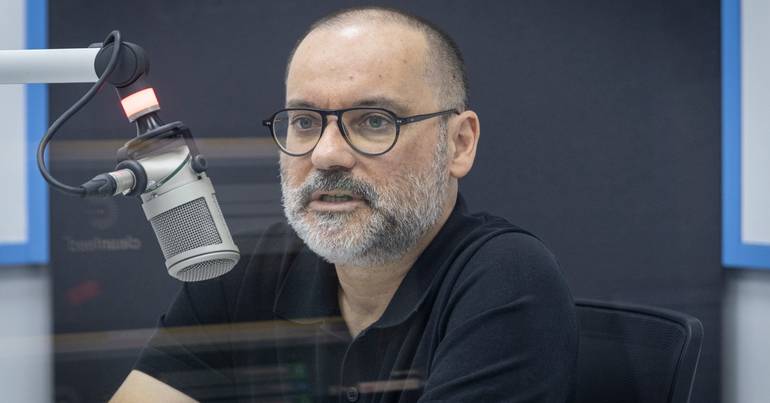
A 'freebie' for combustion cars? 'We are letting the vehicle tax die', says tax expert Sérgio Vasques

Tax expert and former Secretary of State for Fiscal Affairs Sérgio Vasques argues that recent government policy is effectively reducing the tax burden on purchasing internal combustion vehicles. He notes that the current state budget also introduces tax relief for higher IRS income brackets, which have remained unadjusted since the 'troika' period.
Why it matters
If you are planning to buy a car or are in a higher income tax bracket, these fiscal changes may reduce your costs, though they reflect a broader shift in tax policy rather than a change you must act on today.
Tax regimes, labour law, social security changes, IRS and deadlines that affect you.
Already have an account?
This update is from Bica
Your quick shot of what's changing in Portugal and affecting your status, your home, your money, and whatever might disrupt your day. Short and clear updates, gathered from Portuguese sources.
It's free to read, with no signup needed and no app to download.
A former Secretary of State for Fiscal Affairs, Sérgio Vasques, criticizes the 2027 State Budget proposal for failing to index vehicle (ISV) and alcohol taxes to inflation. He argues that this lack of updates has led to a real-term tax decrease of 7% on combustion vehicles since 2024 and risks eroding revenue as the vehicle fleet becomes electrified.
The 6% reduced VAT rate for construction and rehabilitation of homes intended for sale at moderate prices faces uncertainty because the tax status is only confirmed at the final deed. Developers risk penalties or back-tax demands because they cannot know until the final sale whether the buyer will use the property as a primary permanent residence, a condition required for the lower tax rate under the current legislation. The measure applies to projects initiated between 25 September 2025 and 31 December 2029, with tax eligibility starting from 1 January 2026.
The government announced a new support package for electric vehicle purchases, covering up to 80% of the vehicle's value, with a maximum subsidy of 15,000 euros (excluding VAT). Eligible recipients include low-income families and residents in areas with poor public transport networks, with an additional 1,000 euros available if a combustion vehicle is scrapped. The government also plans a 50-million-euro scheme for the general population and subsidies for micro-enterprises, heavy sustainable vehicles, and 700 electric buses for low-density areas.