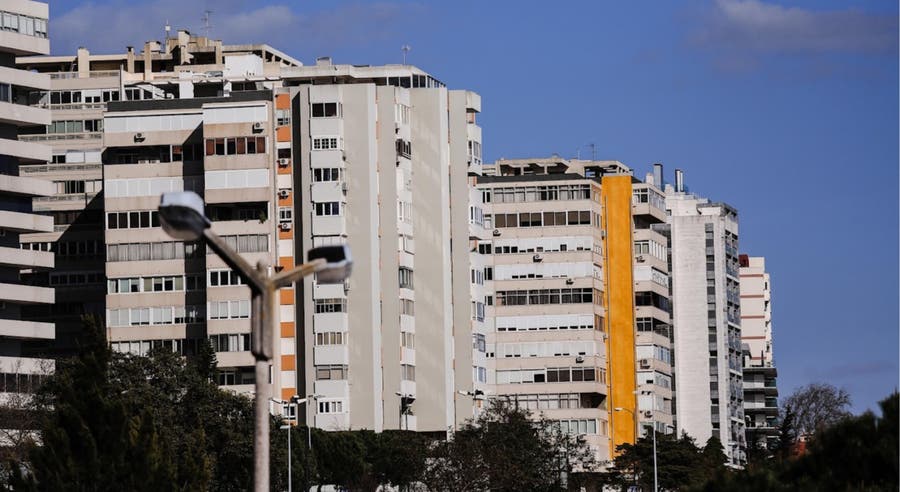
Who is buying homes over one million euros in Portugal and why do some disappear in days?
Between January and September 2026, demand for homes priced over one million euros increased by 60% compared to the same period in 2025, with Portuguese buyers accounting for 65.6% of these transactions. While some luxury listings are removed from online portals in under a week, the median time from listing to signing a promise of sale (CPCV) is 137 days, indicating that online removal does not always equate to a completed transaction.
Why it matters
While this segment represents a high-end market, the data shows that Portuguese buyers are currently the main drivers of luxury property acquisitions, reflecting a shift in the market dynamics you may observe if looking for high-value housing.
New rent rules, tenancy rights, mortgage changes and deadlines that affect your home.
Already have an account?
This update is from Bica
Your quick shot of what's changing in Portugal and affecting your status, your home, your money, and whatever might disrupt your day. Short and clear updates, gathered from Portuguese sources.
It's free to read, with no signup needed and no app to download.
Young people living abroad can qualify for the first-home IMT and Stamp Duty tax exemptions in Portugal, even if they are currently tax residents in another country. To keep the benefit, the property must be used as the buyer's permanent residence within six months of the purchase date, and the Portuguese Tax Authority will verify compliance with these conditions.
The average monthly installment for primary home mortgages reached 450 euros in September, the highest value since the data series began in 2018. This represents a 9% year-on-year increase, according to the Bank of Portugal.
Minister of Infrastructure and Housing Miguel Pinto Luz stated that the government is considering the needs of all citizens, not only those participating in recent housing protests. He rejected calls to lower the income tax (IRS) threshold for affordable rental incentives from 2,300 euros to 1,500 euros, arguing that the current system already provides sufficient incentives for landlords to keep rents within the affordable range.