"We will only leave if our demands are met": Housing movement resists in tents
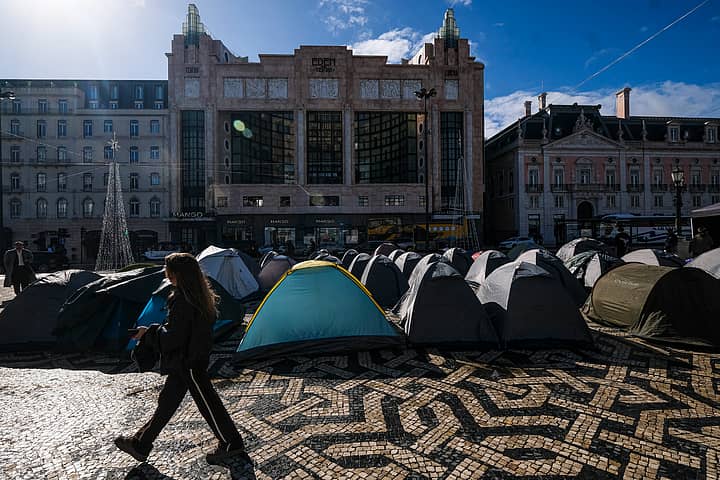
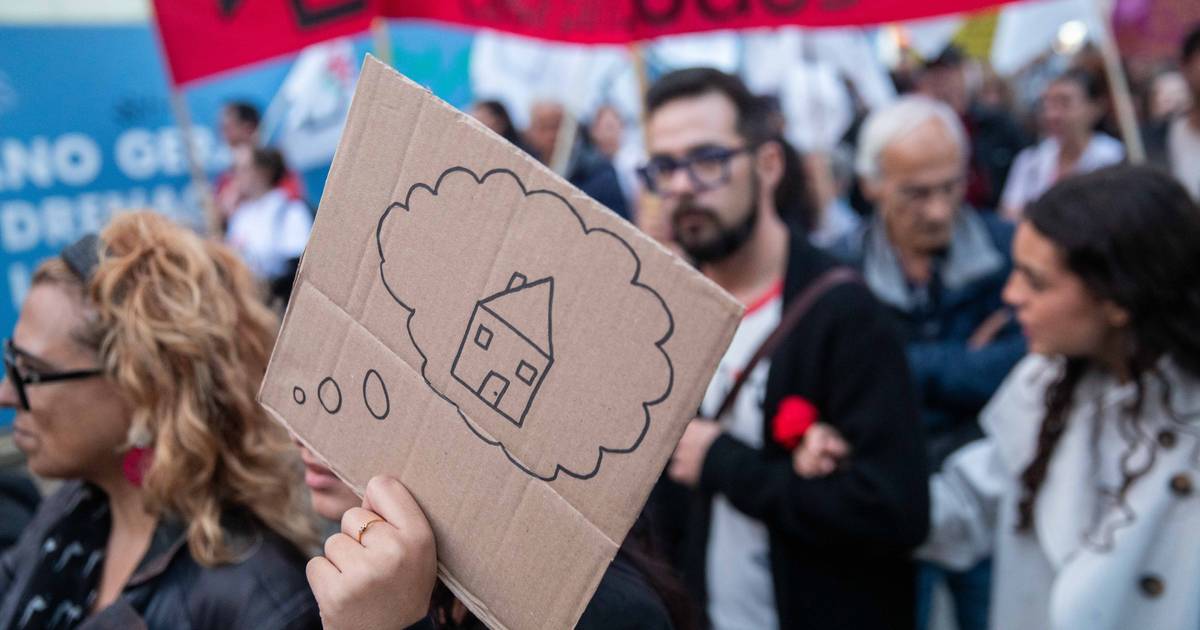
Protesters in Lisbon's Rossio square and Porto's Praça D. João I continue to occupy tents, demanding the repeal of recent rent law reforms, an increase in public housing, and a ban on evictions for those without alternatives. The movement intends to remain indefinitely until the government addresses these concerns, with participants coordinating protest activities with their work and daily lives.
Why it matters
While this protest remains an ongoing movement without an immediate legislative outcome, it signals sustained public pressure on housing policy; if you are concerned about rent law changes or housing affordability, this movement represents the current organized push for policy reform in the sector.
New rent rules, tenancy rights, mortgage changes and deadlines that affect your home.
Already have an account?
This update is from Bica
Your quick shot of what's changing in Portugal and affecting your status, your home, your money, and whatever might disrupt your day. Short and clear updates, gathered from Portuguese sources.
It's free to read, with no signup needed and no app to download.
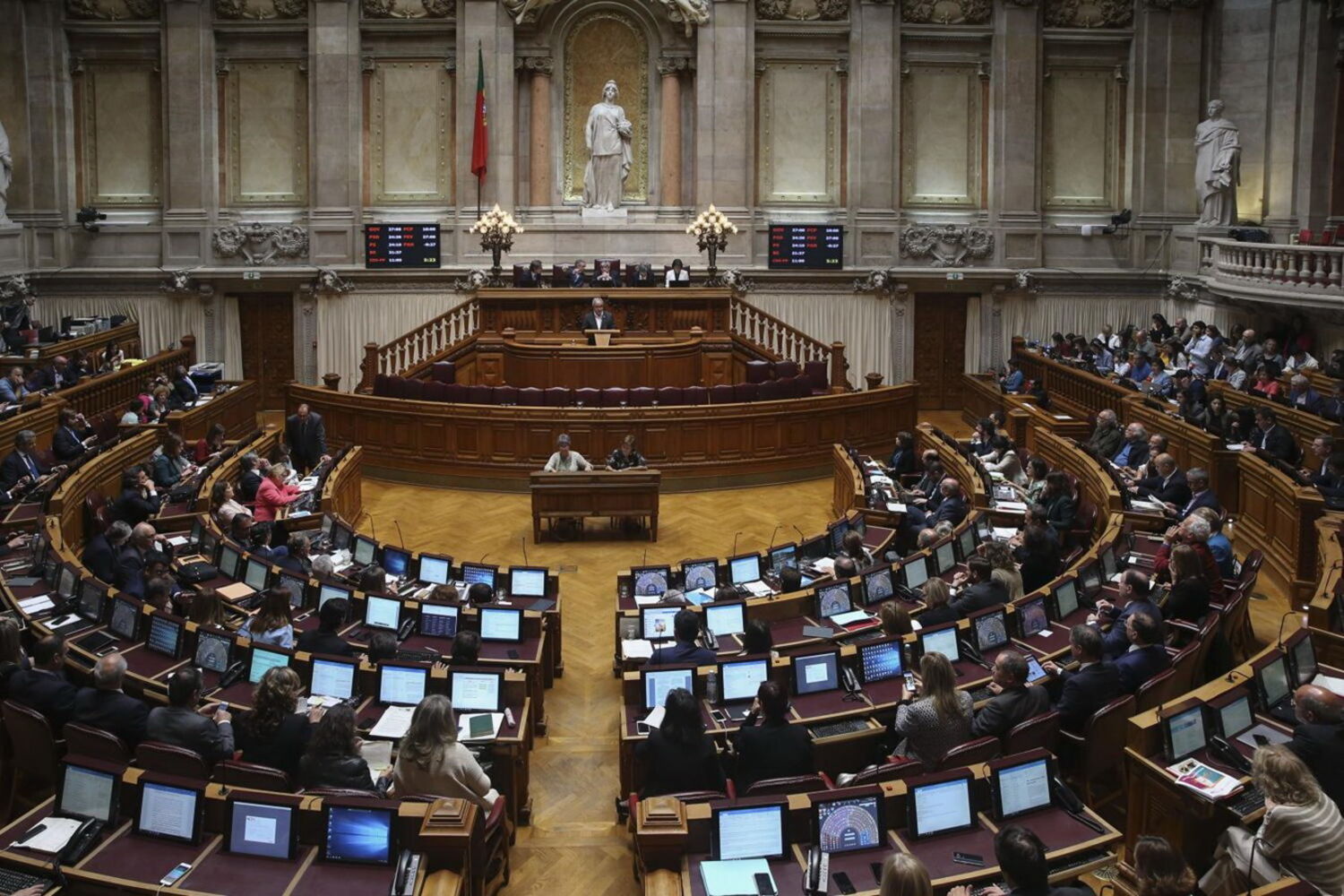
The Lisbon Housing Camping movement is moving its protest site from Praça dos Restauradores to the Assembly of the Republic on Saturday 21 November. The movement, which has been occupying public space for over a week, is holding a "popular assembly" and hosting musical performances, including artists Dino d'Santiago and Yeri & Yeni, to draw attention to their housing demands.
A housing advocacy group has launched a Citizens' Legislative Initiative (ILC) in Porto, aiming to force a parliamentary debate on housing policy. To move the proposal forward, the group must collect 20,000 signatures from registered voters across Portugal to formally present a bill to the Assembly of the Republic.
Protest movements in Lisbon and Porto consider the housing measures approved so far in the 2027 State Budget to be insufficient. Despite the end of the tax benefit for 'moderate rents', activists reject these as temporary solutions and have vowed to maintain and escalate their protests.