Tourism sector requests new suspension of biometric data collection at airport borders
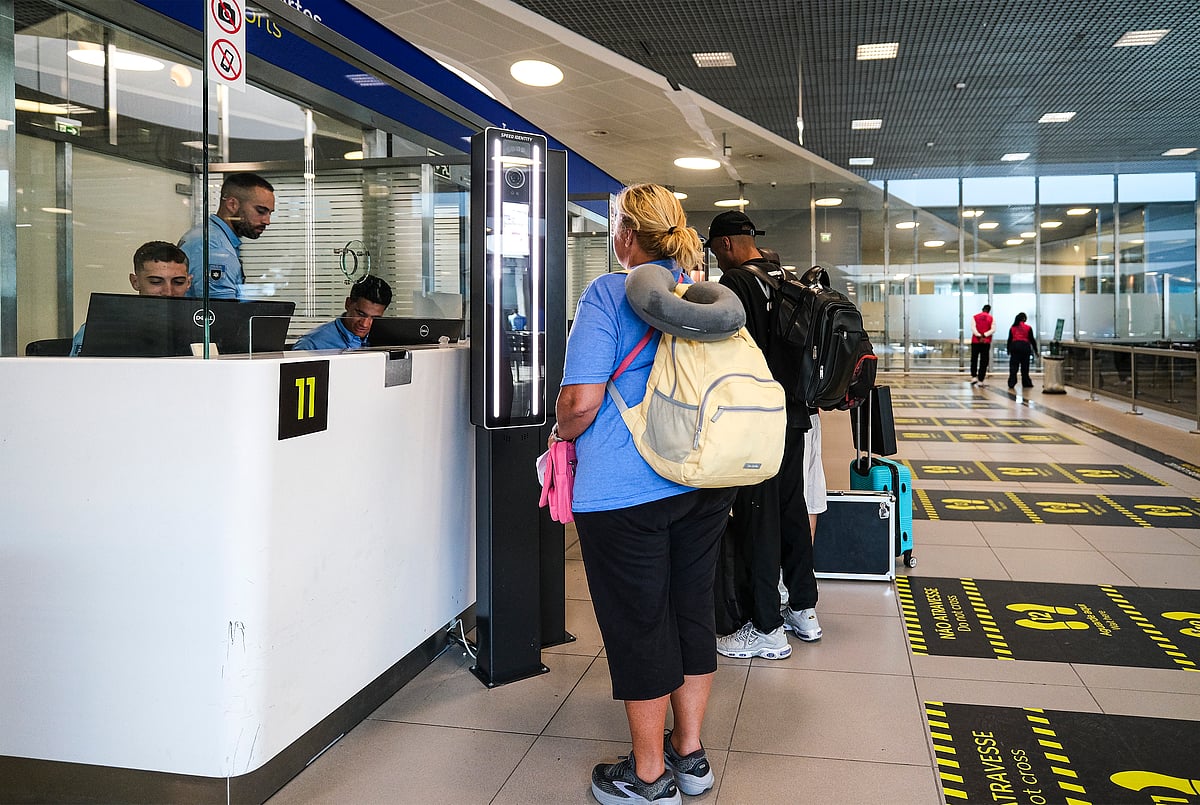
A coalition of 80 tourism and travel organizations issued a manifesto calling on the European Union to suspend the Entry/Exit System (EES) biometric data collection at external borders until technical and operational issues are resolved. The group cites significant border delays, aircraft hold-ups, and impacts on regional airports as reasons to pause the digital registration system.
Why it matters
If you travel outside the EU or arrive from non-EU countries, you may continue to face significant border delays until these persistent issues with the EES digital registration system are addressed.
Planned metro, train, ferry, flight and road disruptions in your area, by email.
Already have an account?
This update is from Bica
Your quick shot of what's changing in Portugal and affecting your status, your home, your money, and whatever might disrupt your day. Short and clear updates, gathered from Portuguese sources.
It's free to read, with no signup needed and no app to download.
The National Data Protection Commission issued an unfavorable opinion on the government's proposed regulations for the new Nationality Law, citing especially serious shortcomings in rules for collecting, cross-referencing, and storing biometric data. The commission specifically objects to allowing biometric data from nationality applicants to be cross-referenced with the Judiciary Police's central fingerprint database and other biometric systems without sufficiently defined limits on access.
CP will suspend two daily direct Alfa Pendular connections between Braga and Lisbon, starting on 12 December, due to ongoing works on the Northern Line in the Espinho area. The suspended services are the 18:00 train from Braga to Lisbon and the 14:00 train from Lisbon to Braga, with these disruptions expected to last for at least two years.
Experts are calling for more transparent data and stricter monitoring of the informal rental market, noting that current discrepancies between justice bodies and the scale of the shadow market make it impossible to accurately track the number of families facing eviction. They argue that understanding this informal sector is critical, as many rental situations currently bypass official statistics and regulatory oversight.