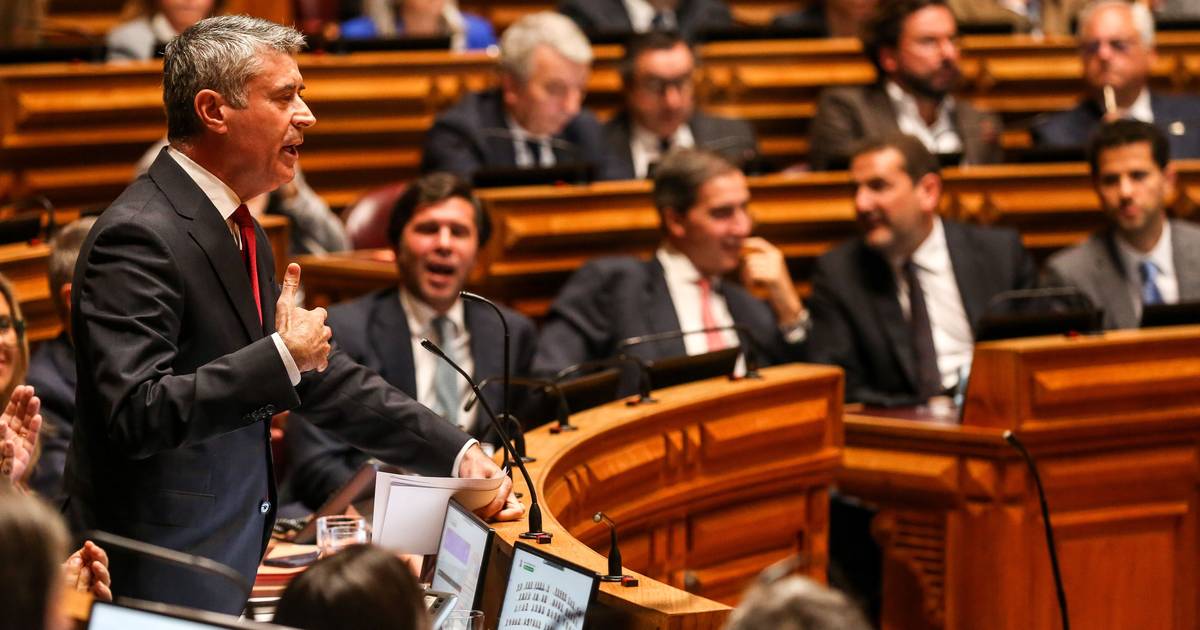
Social electricity tariffs, free childminders and a Chega turnaround: what did the opposition manage to approve on the fourth day of voting?
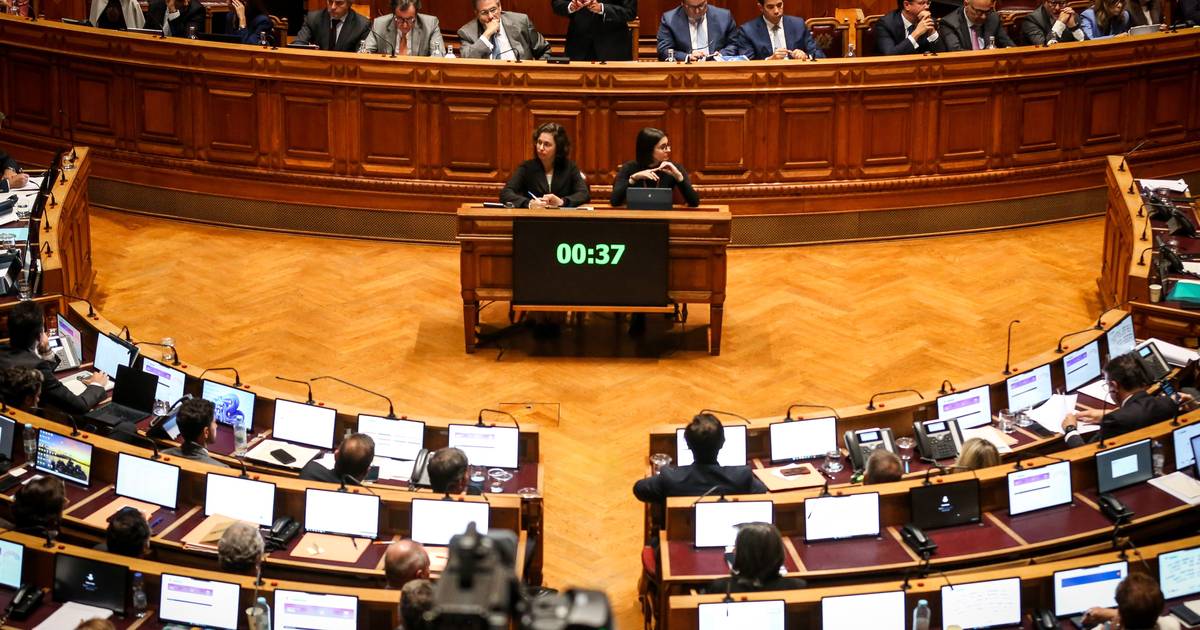
The opposition parties (PS and Chega) succeeded in passing multiple budget measures against the government's (PSD/CDS) position. Notably, a proposal was approved to extend the government's flexibility to reduce the ISP fuel tax on gasoline and diesel throughout next year, led by the Iniciativa Liberal.
Why it matters
If these measures are maintained in the final budget, you could benefit from expanded social electricity tariffs and reduced fuel costs for another year.
Price rises, cuts and rates that change what you pay each month.
Already have an account?
This update is from Bica
Your quick shot of what's changing in Portugal and affecting your status, your home, your money, and whatever might disrupt your day. Short and clear updates, gathered from Portuguese sources.
It's free to read, with no signup needed and no app to download.
The opposition passed several amendments to the 2027 State Budget regarding health infrastructure, including timelines for hospital tenders in Seixal, the Oeste region, and Barcelos-Esposende, though funding for these works was removed. Parliament also approved new rules for state reimbursement of travel and accommodation for families of children with cancer living over 100km from treatment centres, and a mandate for the government to create a public gamete collection centre in the Alentejo or Algarve by the end of 2027.
Opposition parties secured the approval of proposals to increase the number of school psychologists and introduce a new salary-progression mechanism for the public sector, despite opposition from the governing AD coalition. A proposal for a four-day work week was rejected.
Parliament approved a proposal setting an annual income threshold of 8,640 euros as the common reference for social tariffs on electricity, natural gas, and water services, with automatic annual updates. Additionally, for 2027, the government must fully fund all eligible applications for the Efficiency Voucher II (Vale Eficiência II) that remained unfunded due to budget shortages or lack of technical facilitators, without requiring applicants to reapply.