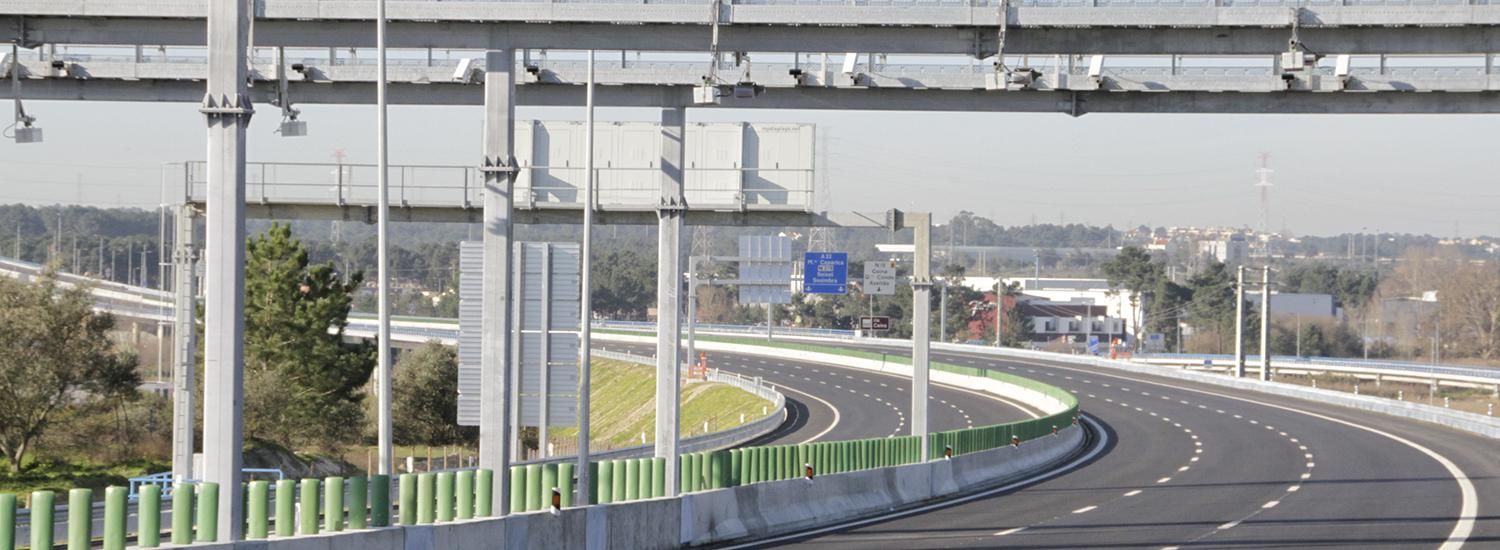
Residents and companies in Moura and Barrancos, in Beja, exempt from tolls on the A6
The 2027 State Budget (OE2027) includes a provision that grants toll exemptions on the A6 motorway (between the A2/A6/A13 junction and Caia) to residents and companies based in the municipalities of Moura and Barrancos. This change corrects a previous territorial classification that only linked these areas to the A2, despite the A6 being more central to their mobility needs.
Why it matters
If you are a resident or own a business in Moura or Barrancos, your travel costs will decrease once this budget measure takes effect, as you will be eligible for toll-free travel on the A6 section described by using your electronic toll device.
Price rises, cuts and rates that change what you pay each month.
Already have an account?
This update is from Bica
Your quick shot of what's changing in Portugal and affecting your status, your home, your money, and whatever might disrupt your day. Short and clear updates, gathered from Portuguese sources.
It's free to read, with no signup needed and no app to download.
Residents and businesses in the Moura and Barrancos municipalities will be exempt from tolls on the A6 motorway between the A2/A6/A13 junction and Caia starting in 2027. This change, approved in the 2027 State Budget, rectifies a geographical classification error and expands the toll-free access already available in parts of the Alentejo region.
Parliament approved tax changes to the 2027 State Budget to address the housing crisis. Property owners are now exempt from capital gains tax when selling vacant or second homes if the properties are destined for the affordable rental market or are used as a buyer's permanent residence. Additionally, companies will receive higher corporate tax (IRC) discounts when placing homes on the affordable rental market, and the public guarantee scheme for young people is expanded to include building a first home.
The European Commission has extended its temporary state aid framework for sectors impacted by energy price volatility until 30 June 2027. This allows member states to subsidize up to 70% of additional fuel and fertilizer costs for agriculture, fisheries, and transport, and provides an additional aid limit of 50,000 euros per beneficiary for the first half of 2027.