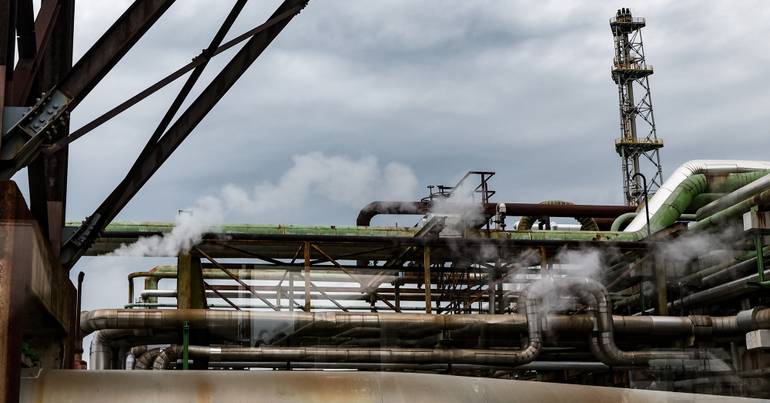
Price and low natural gas storage levels worry Bank of Portugal
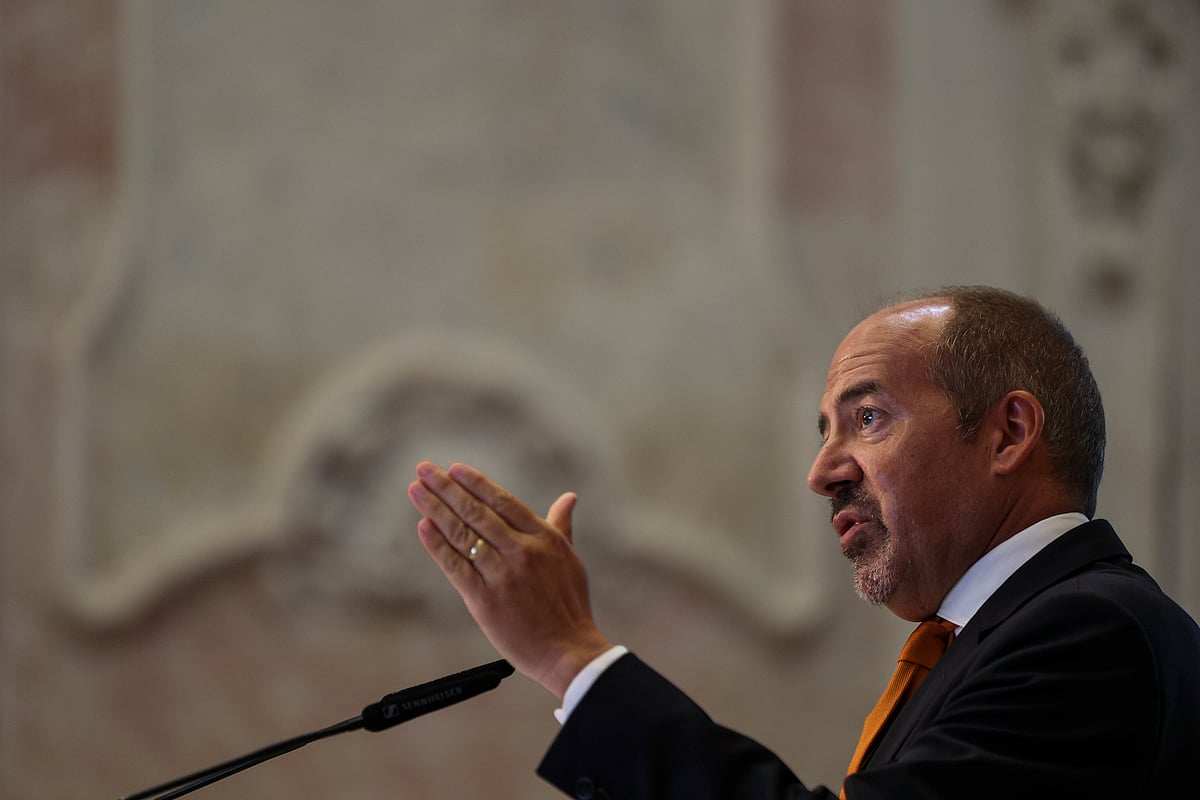
The Governor of the Bank of Portugal warned that rising natural gas prices and low European storage levels pose risks to inflation. He cited global supply chain pressures and transport costs as additional factors that may affect price stability, though he noted that the European Central Bank remains committed to decisive action.
Why it matters
While this is a macro-level warning rather than an immediate price change, it signals a risk that energy and transport costs could continue to put upward pressure on the cost of living in the coming months.
Price rises, cuts and rates that change what you pay each month.
Already have an account?
This update is from Bica
Your quick shot of what's changing in Portugal and affecting your status, your home, your money, and whatever might disrupt your day. Short and clear updates, gathered from Portuguese sources.
It's free to read, with no signup needed and no app to download.
The price of natural gas (TTF) rose above 100 euros per megawatt-hour (MWh) on Wednesday, 28 October 2026, driven by geopolitical tensions in the Middle East and concerns over liquefied natural gas (LNG) supply levels for the winter. European reserves are currently reported at 75% capacity, which is below average for this time of year.
Between 2017 and the second quarter of 2026, the median house price per square meter in Portugal rose by 140%, while median rents increased by 114%. The Bank of Portugal notes that these increases were widespread but most dynamic in coastal areas, with prices more than doubling in 188 of the 287 municipalities evaluated.
The price of natural gas on the TTF market reached 100.30 euros per megawatt-hour (MWh) on 28 October, a rise driven by geopolitical tensions in the Middle East and concerns over lower-than-average European storage levels (currently at 75% capacity) ahead of winter.