Portugal had over 500,000 people living on less than 482 euros per month in 2025

The EAPN Portugal anti-poverty network reported that more than 500,000 people lived on under 482 euros per month in 2025, describing the situation as a worrying systemic pocket of extreme poverty. At the same time, the overall risk-of-poverty or social exclusion (PES) rate fell to 18.6%, representing 1.9 million people — the lowest figure of the decade, driven by a drop in monetary poverty and severe material deprivation.
Why it matters
While overall poverty rates reached a ten-year low in 2025 at 1.9 million people, over half a million individuals remain in deep poverty living on under 482 euros a month, highlighting persistent structural vulnerability despite the wider statistical improvement.
Price rises, cuts and rates that change what you pay each month.
Already have an account?
This update is from Bica
Your quick shot of what's changing in Portugal and affecting your status, your home, your money, and whatever might disrupt your day. Short and clear updates, gathered from Portuguese sources.
It's free to read, with no signup needed and no app to download.
This report compares the monthly income and expenditure of ten families across several European countries, highlighting that while supermarket costs are similar, wages vary significantly. It identifies Portugal as the country where families face the highest burden for housing costs.
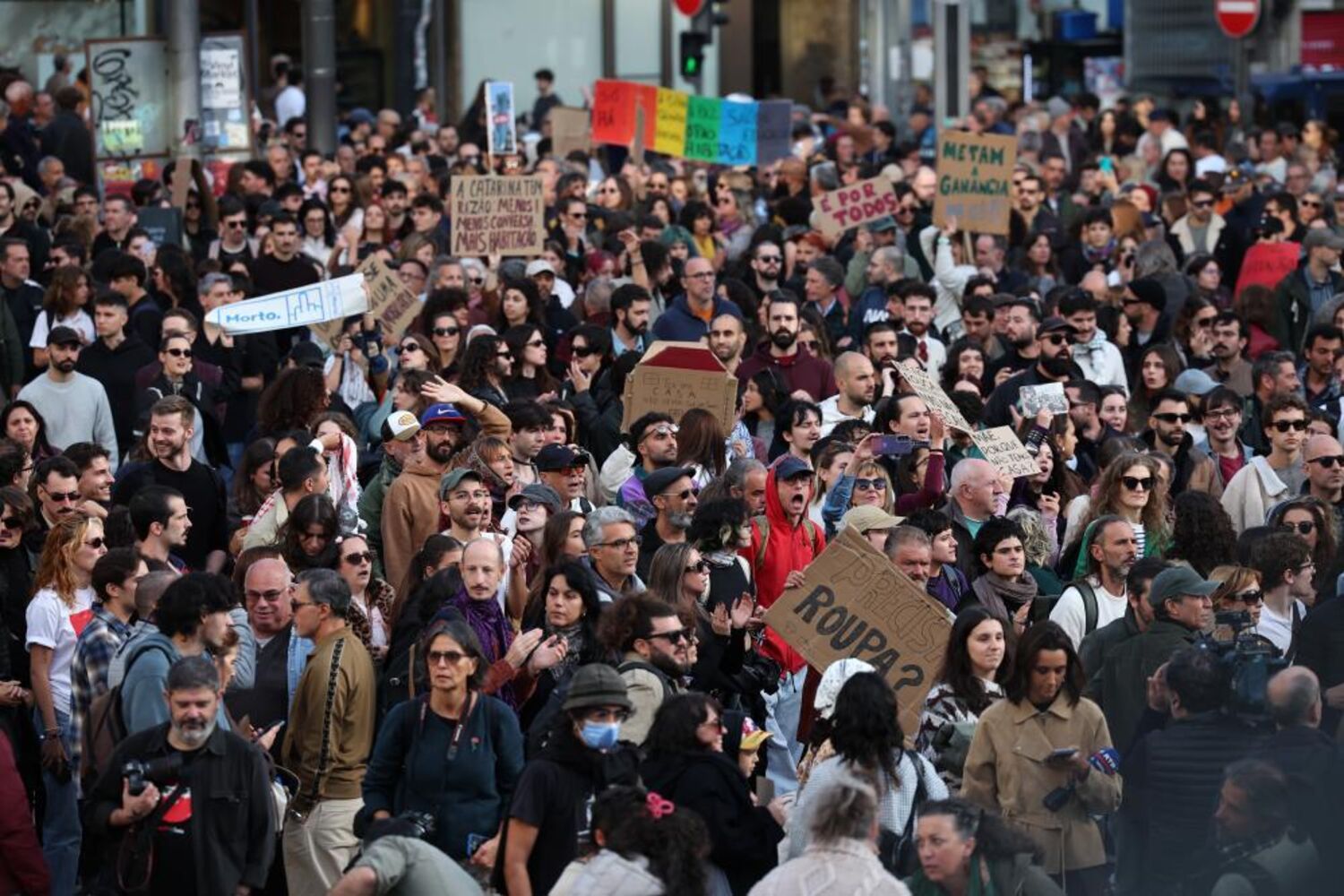
A wave of strikes and demonstrations is scheduled for November, beginning with a public administration strike on Monday 2 November called by STTS, a National Housing Protest day on Saturday 14 November organised by Casa para Viver and Porta a Porta, a general public administration strike on Friday 20 November called by Frente Comum ahead of the State Budget vote on 24 November, and a CGTP demonstration in Lisbon on Saturday 21 November. Demands include a 10.20-euro daily meal allowance, revision of public sector performance appraisal and careers, higher wages, reversal of rental laws, an end to evictions without housing alternatives, and controls on housing acquisition by real estate funds.
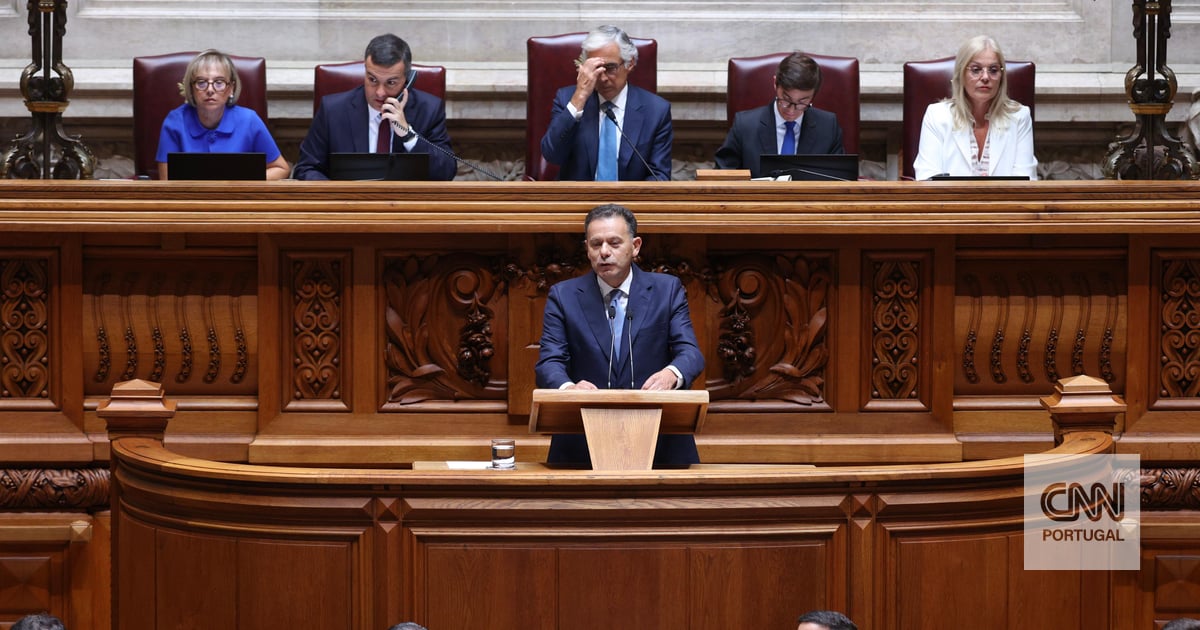
The government proposes unfreezing higher education tuition fees for the 2027/2028 academic year by linking them to the inflation rate, a move the administration claims will cost less than two euros per month. Both the Chega and PS parties have introduced proposals to maintain the current freeze for the 2027/2028 academic year, with the debate occurring during the specialty discussions of the 2027 State Budget (OE2027).