Portugal 2027 Budget and the impact on Golden Visas and property buyers

The 2027 State Budget reduces the minimum scientific research investment for Golden Visas from 500,000 euros to 250,000 euros and adds a new 250,000-euro option for social-facility projects, while investment funds must allocate at least 70% to Portuguese company equity and cannot invest in real estate, taking effect for applications submitted after 1 May 2027. Non-resident property buyers continue to pay a higher 7.5% IMT rate, and sales of second or vacant homes under 300,000 euros qualify for a capital gains tax exemption between 1 January 2027 and 31 December 2029 if the buyer uses the home permanently or for affordable rental.
Why it matters
If you are applying for a Golden Visa after 1 May 2027, you can qualify with a 250,000-euro investment in scientific research or social facilities, and if you buy property as a non-resident, you will continue to face a 7.5% IMT rate.
New rent rules, tenancy rights, mortgage changes and deadlines that affect your home.
Already have an account?
This update is from Bica
Your quick shot of what's changing in Portugal and affecting your status, your home, your money, and whatever might disrupt your day. Short and clear updates, gathered from Portuguese sources.
It's free to read, with no signup needed and no app to download.
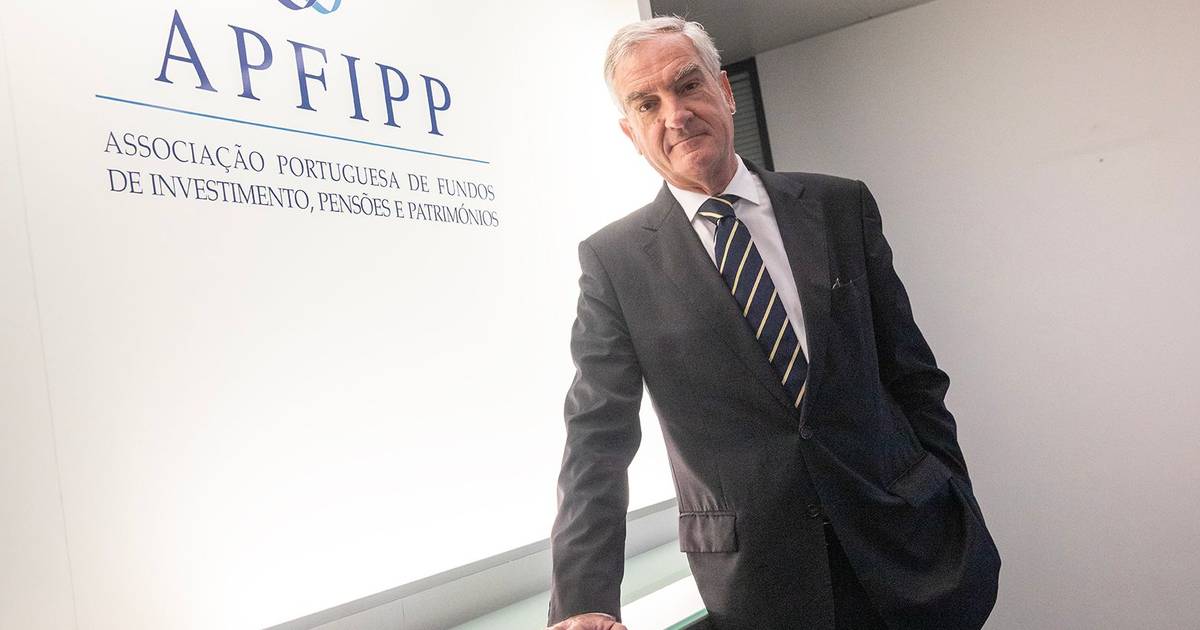
The Portuguese Association of Investment Funds, Pension Funds and Heritage (APFIPP) has warned the government that restrictive investment measures, specifically regarding the golden visa programme, could negatively affect the Portuguese economy and capital markets.
The Minister of the Presidency stated that AIMA will prioritize the processing of Golden Visa (ARI) applications in 2027. Each of these residency permits carries an administrative fee of 6,000 euros.
Parliament approved PSD and CDS proposals amending golden visa rules on Monday 23 November 2026 during the final voting on the 2027 State Budget amendments. The changes apply to golden visa applications submitted from 1 May 2027 and lower the investment threshold to 250,000 euros for scientific research and artistic or cultural heritage activities. They also raise the domestic investment requirement from 60% to 70% for non-real estate collective investment funds, restrict criteria to capital or quasi-capital reinforcements, and add social support infrastructure—including facilities for children, the elderly, people with disabilities, and the integration of foreign residents—as a qualifying investment category at the 250,000 euro level.