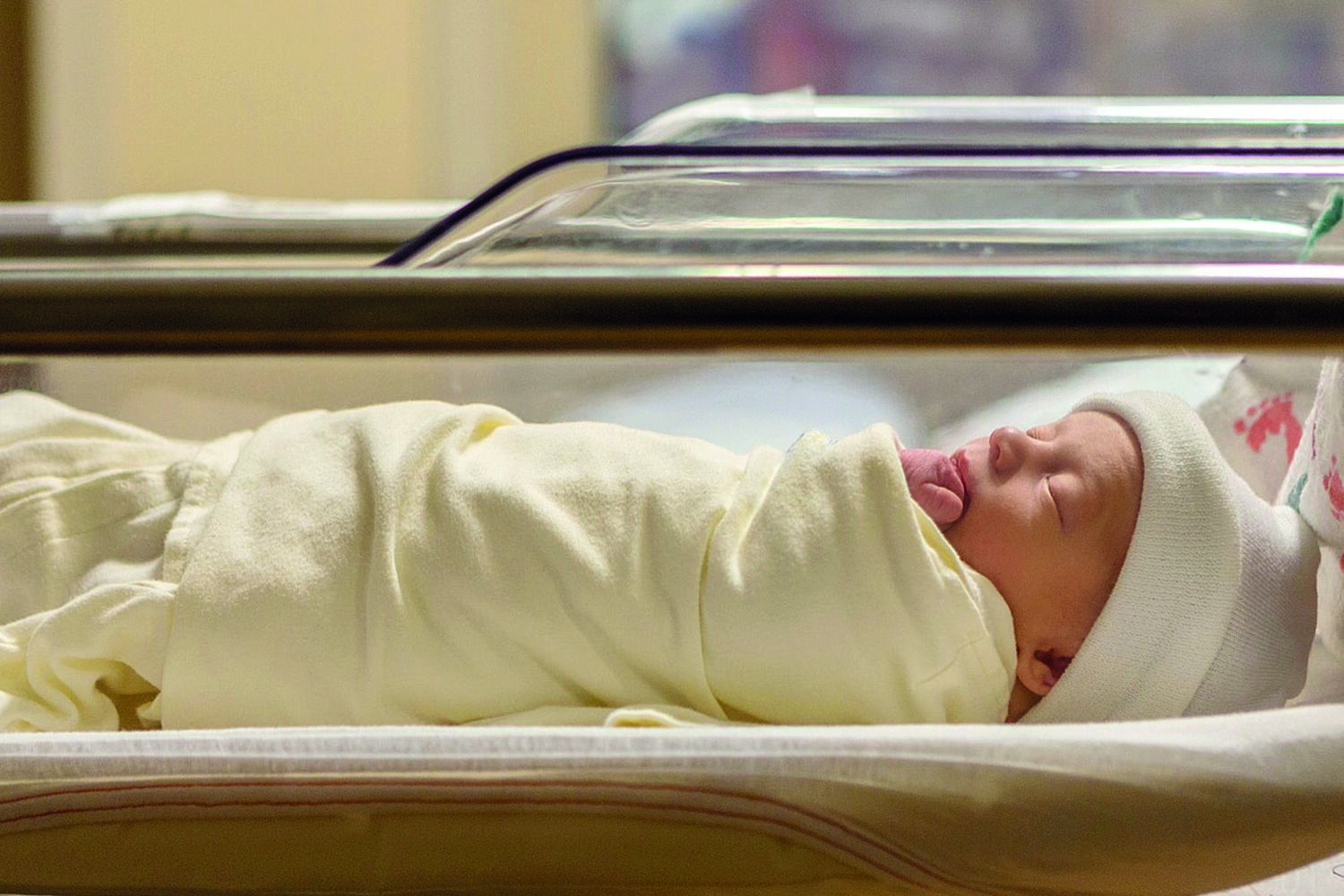
New parental leave: how many days can be taken and how much will parents receive?
The government and the main opposition party agreed to increase the period of parental leave paid at 100% of the salary from 120 to 150 days. Parents may extend this period up to a total of 210 days, though this is subject to specific sharing requirements and lower remuneration for the additional days.
Why it matters
If you are a parent or expecting a child, this agreement increases your fully-paid leave entitlement, though the rules for extended leave involve trade-offs in pay.
Tax regimes, labour law, social security changes, IRS and deadlines that affect you.
Already have an account?
This update is from Bica
Your quick shot of what's changing in Portugal and affecting your status, your home, your money, and whatever might disrupt your day. Short and clear updates, gathered from Portuguese sources.
It's free to read, with no signup needed and no app to download.
The Parliament approved a measure as part of the 2027 State Budget allowing both parents of a child with cancer to take leave simultaneously during specific critical periods, rather than alternating. This applies for 15 days following a diagnosis, 15 days in the event of disease progression or treatment, and 30 days in end-of-life situations, provided there is a medical declaration.
The parliamentary Labour Committee has unanimously approved a joint PSD and PS proposal to increase paid parental leave and extend the right to 'continuous working hours' to private-sector employees with children up to 12 years old. Parental leave will be paid at 100% for 150 days (if not shared) or 180 days (if shared); continuous working hours (a reduction of up to one hour per day) will require employer agreement or a collective bargaining agreement. These changes are set to take effect on January 1, 2027, applying only to leave periods starting on or after that date.
Under current Portuguese law, the special prematurity leave regime ends at 33 weeks and zero days of gestation. Babies born at 33 weeks and one day or later receive less support: while they are covered for the duration of hospitalisation, there is a hard cap of 30 additional days of leave, whereas babies born up to 33 weeks receive 30 days plus the total hospitalisation time. Experts and pediatricians argue this legal threshold does not align with clinical reality, as risks and care needs decrease gradually rather than dropping off abruptly at the 33-week mark.