Mina Cortiças water source in Cerveira subject to protection measures
As of Wednesday, 2026-10-21, the Mina Cortiças groundwater source in Covas, Vila Nova de Cerveira, is subject to new protection zones and activity restrictions to ensure water quality for human consumption. The rules include a fenced-off 'immediate protection zone' where only maintenance is allowed, and an 'intermediate zone' prohibiting activities such as fuel stations, waste dumps, mining, and septic tanks.
Why it matters
If you own property, operate a business, or farm in the Covas area of Vila Nova de Cerveira, be aware that land use within these new protection zones is now strictly regulated to prevent water contamination.
Closures, new rules and online services, from Finanças to the Loja do Cidadão.
Already have an account?
This update is from Bica
Your quick shot of what's changing in Portugal and affecting your status, your home, your money, and whatever might disrupt your day. Short and clear updates, gathered from Portuguese sources.
It's free to read, with no signup needed and no app to download.
The Baixa Pombalina revitalization association (ADBP) is calling for measures to protect property and business operations in the Rossio area, citing a significant drop in customers, increased security costs for merchants, and concerns over vandalism related to the ongoing housing protest camp that began on 17 October. While acknowledging the protesters' right to demonstrate, the association is asking authorities to balance this with the rights of local business owners.
The Ministry of the Environment has established new protection zones for two groundwater collection points ('Furo F1' and 'Furo F2') in the parish of Gavieira, Arcos de Valdevez. These zones, which enter into force on Friday, 30 October 2026, are designed to prevent contamination of water intended for human consumption.
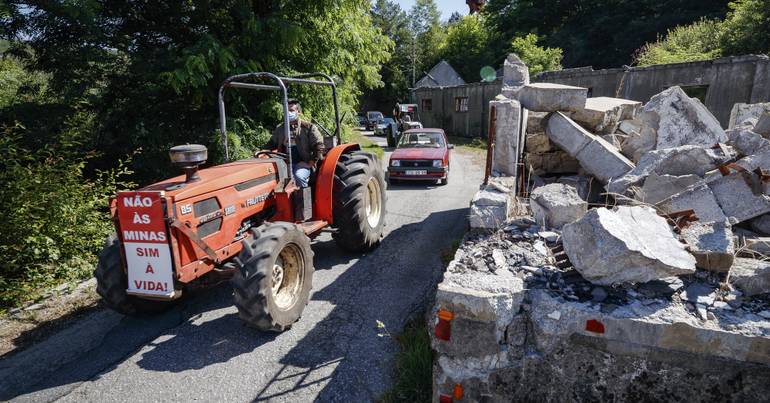
The Portuguese Water Academy is calling for an independent epidemiological study regarding the planned reactivation of the Borralha tungsten mine in Montalegre. The group warns that mining activities could contaminate water sources in the Cávado river basin, which supplies water to approximately 400,000 residents in Braga and Barcelos.