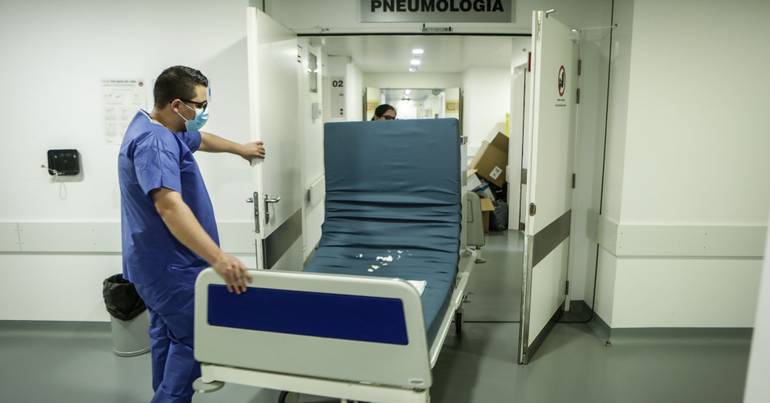
Internal ER doctors to support external emergency units during staff shortages and surge periods
An order signed by Health Minister Ana Paula Martins prioritises external emergency care, requiring doctors scheduled for internal emergency shifts who receive financial incentives to assist colleagues when patient demand increases.
Why it matters
If you use public hospital emergency departments in Portugal, expect a more flexible deployment of medical staff during peak demand periods to help cover shortages.
SNS changes, hospital pressure, closures and changes where you live.
Already have an account?
This update is from Bica
Your quick shot of what's changing in Portugal and affecting your status, your home, your money, and whatever might disrupt your day. Short and clear updates, gathered from Portuguese sources.
It's free to read, with no signup needed and no app to download.
A new government order allows hospitals to reassign doctors from internal wards to external emergency departments during periods of high pressure or long wait times. This applies to doctors who have already exceeded their annual limit for overtime work, and the federation of doctors (FNAM) warns it lacks objective criteria for when these reassignments should happen and does not set minimum staffing levels for patients already admitted to hospital wards.
A new Ministry of Health order, in effect since Friday 23 October, mandates that doctors working in internal hospital emergency departments must support external emergency services during periods of high pressure or patient influx. The Medical Association and the Independent Doctors' Union have criticized the move, arguing that redirecting resources from the care of admitted, often fragile, patients to external urgencies risks creating further instability within hospitals.
A new Ministry of Health order, which took effect on 23 October, mandates that doctors working in internal hospital emergency departments (who care for already hospitalized patients) must support external emergency services during periods of high pressure or long waiting times. Hospital boards have 60 days to adapt their internal protocols to these new requirements.