How the Government wants to reach the 'gold standard' of immigration
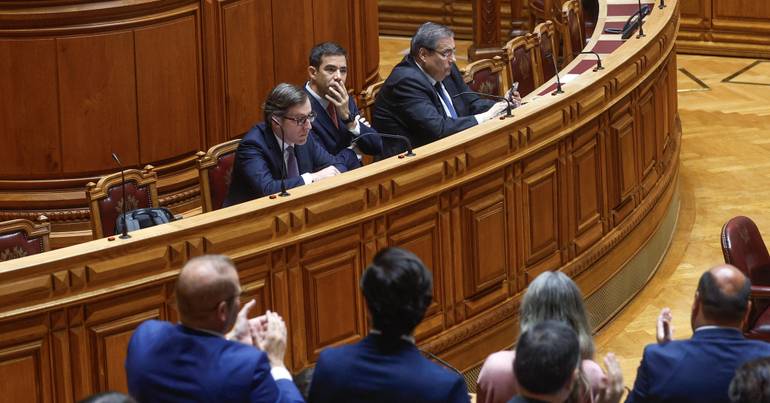
The government describes its immigration reform as a major success, claiming it has resolved the backlog of pending cases and implemented new control measures, including restrictions on nationality applications. Future steps include the development of a National Integration Plan, while the executive continues to evaluate potential adjustments to the 'green lane' for labor immigration requested by business confederations.
Why it matters
While the government claims the backlog of residency cases is largely resolved, this overview of future immigration and integration policy confirms that the current, more restrictive framework remains in place as officials shift focus toward long-term integration planning.
Portal openings and rule changes for your case, by email.
Already have an account?
This update is from Bica
Your quick shot of what's changing in Portugal and affecting your status, your home, your money, and whatever might disrupt your day. Short and clear updates, gathered from Portuguese sources.
It's free to read, with no signup needed and no app to download.
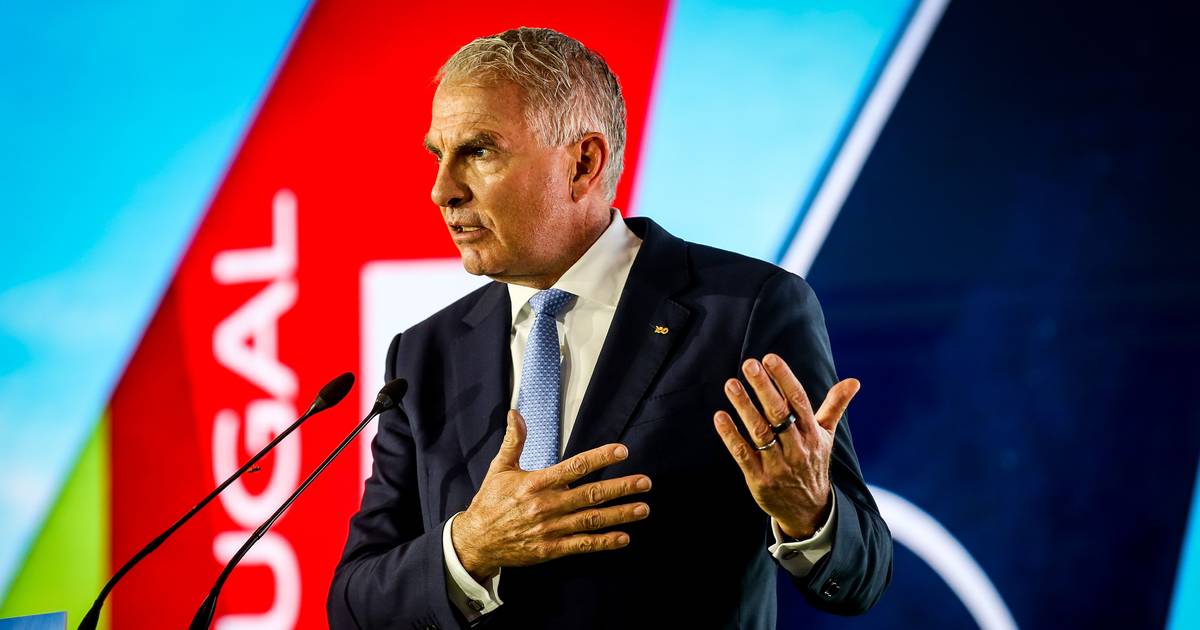
The Portuguese government and the Lufthansa Group are aligned on the goal of privatizing 100% of TAP. The CEO of the German group emphasized the importance of the deal and expressed interest in maintaining the airline's identity while increasing its growth.
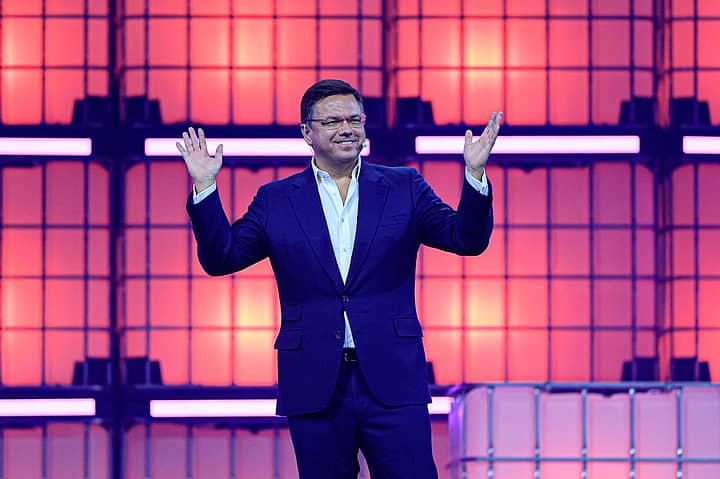
The Minister for State Reform announced a five-pillar program to integrate Artificial Intelligence into public administration, focusing on simplifying bureaucracy, accelerating licensing processes through the 'LicencIA' project, and using analytical models to reduce waiting times in the health sector. The government's goal is to transition toward an 'agentic state' where AI agents proactively handle citizen requests and inter-agency tasks, while adhering to European privacy standards.
The President of the European Council, António Costa, is advocating for targeted housing investments in regions facing higher market pressure within the framework of the next EU Multiannual Financial Framework (2028-2031). This comes as the proposal for the new budget period currently suggests an overall reduction in total funding for European policies.