Funchal City Council increases tourist tax to four euros from January
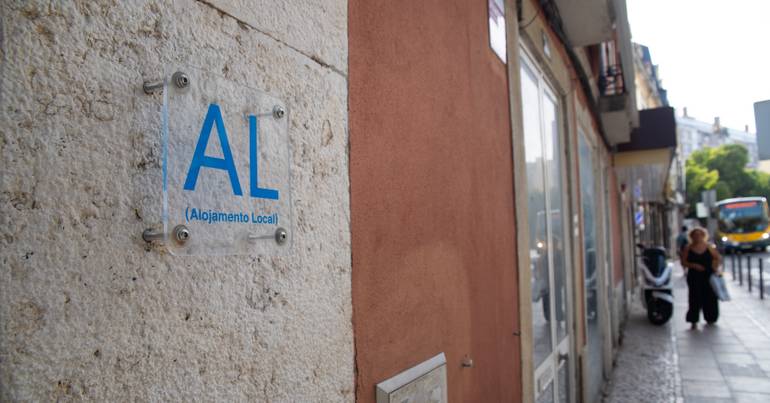
The tourist tax for visitors staying in hotels and local accommodation will increase from two euros to four euros per night starting 1 January 2027. The rate for cruise ship passengers remains unchanged, and tourists forced to stay longer due to airport operational issues are exempt from the fee.
Why it matters
If you are planning to visit or host guests in Funchal from 1 January 2027, be aware that the nightly tourist tax will double to four euros per person.
Price rises, cuts and rates that change what you pay each month.
Already have an account?
This update is from Bica
Your quick shot of what's changing in Portugal and affecting your status, your home, your money, and whatever might disrupt your day. Short and clear updates, gathered from Portuguese sources.
It's free to read, with no signup needed and no app to download.
The Left Bloc (BE) in Lisbon will propose increasing the municipal tourist tax to 5 euros per night, with 7 euros for five-star hotels and 5 euros per maritime passenger. The proposal aims to prioritize revenue for affordable housing, urban hygiene, and public transport, while also seeking to increase the IMI tax surcharge on vacant homes to between 50% and 100% for corporate owners.
The municipality of Horta (Faial island, Azores) has approved a tourist tax of 2 euros per guest per night, applicable for up to three consecutive nights. The measure will apply to all tourist developments and local accommodation establishments in the municipality.
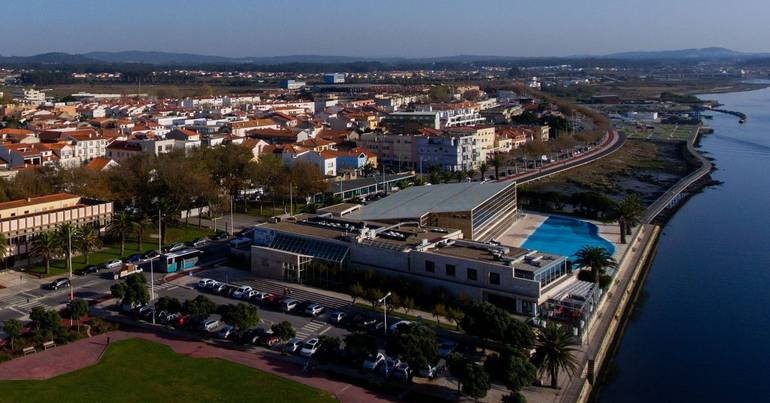
The municipality of Esposende will start collecting a tourist tax in 30 days, specifically 2 euros per night during high season (1 April to 30 September) and 1.50 euros during low season (1 October to 31 March). The fee applies to guests aged 16 and over for up to five consecutive nights across all types of accommodation, including campsites. Exemptions are available for those visiting for medical reasons, those in temporary housing due to social emergencies or civil protection orders, refugees or asylum seekers with valid documentation, and local residents.