Energy prices and the EU budget: European leaders to attempt to find solutions and common ground in Brussels
European leaders are gathering in Brussels to discuss energy price management and the community budget. The talks aim to reach consensus on bloc-wide policies that could influence future energy costs and economic planning for member states, including Portugal.
Why it matters
While this is a high-level summit, the decisions made in Brussels regarding energy policy and the EU budget often dictate future electricity subsidies and investment priorities that affect household costs in Portugal.
Interest rates, wages and decisions that affect your budget.
Already have an account?
This update is from Bica
Your quick shot of what's changing in Portugal and affecting your status, your home, your money, and whatever might disrupt your day. Short and clear updates, gathered from Portuguese sources.
It's free to read, with no signup needed and no app to download.
The European Council has agreed to extend the current framework for state aid to energy-exposed industrial sectors and will explore further coordinated measures to mitigate short-term energy price spikes. These actions, which are intended to be temporary and targeted, follow a mandate to the European Commission to analyze and propose new solutions that account for specific member-state conditions, including differing electricity prices.
The European Council requested urgent proposals from the European Commission to mitigate energy prices and tasked the Council President with reconciling budget disagreements regarding cohesion and agriculture funding between member states.
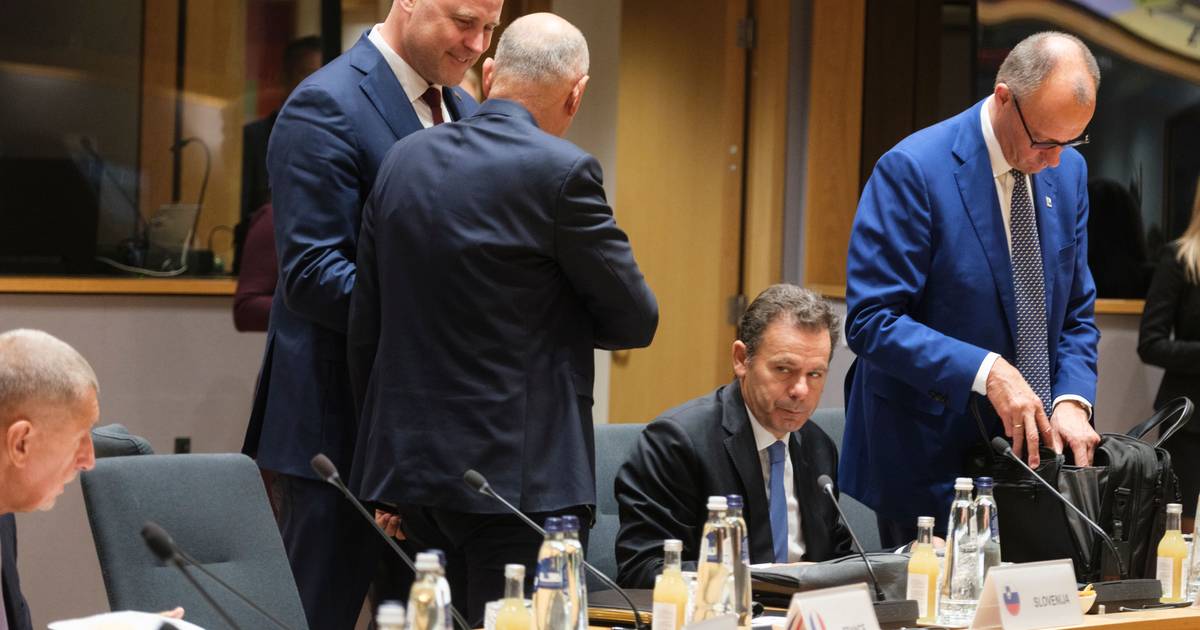
At a summit in Brussels, EU leaders are under pressure to address winter energy prices and seek budget flexibility from the European Commission. Prime Minister Luís Montenegro specifically requested a review of fuel pricing transparency and accounting, acting independently on the matter during discussions.