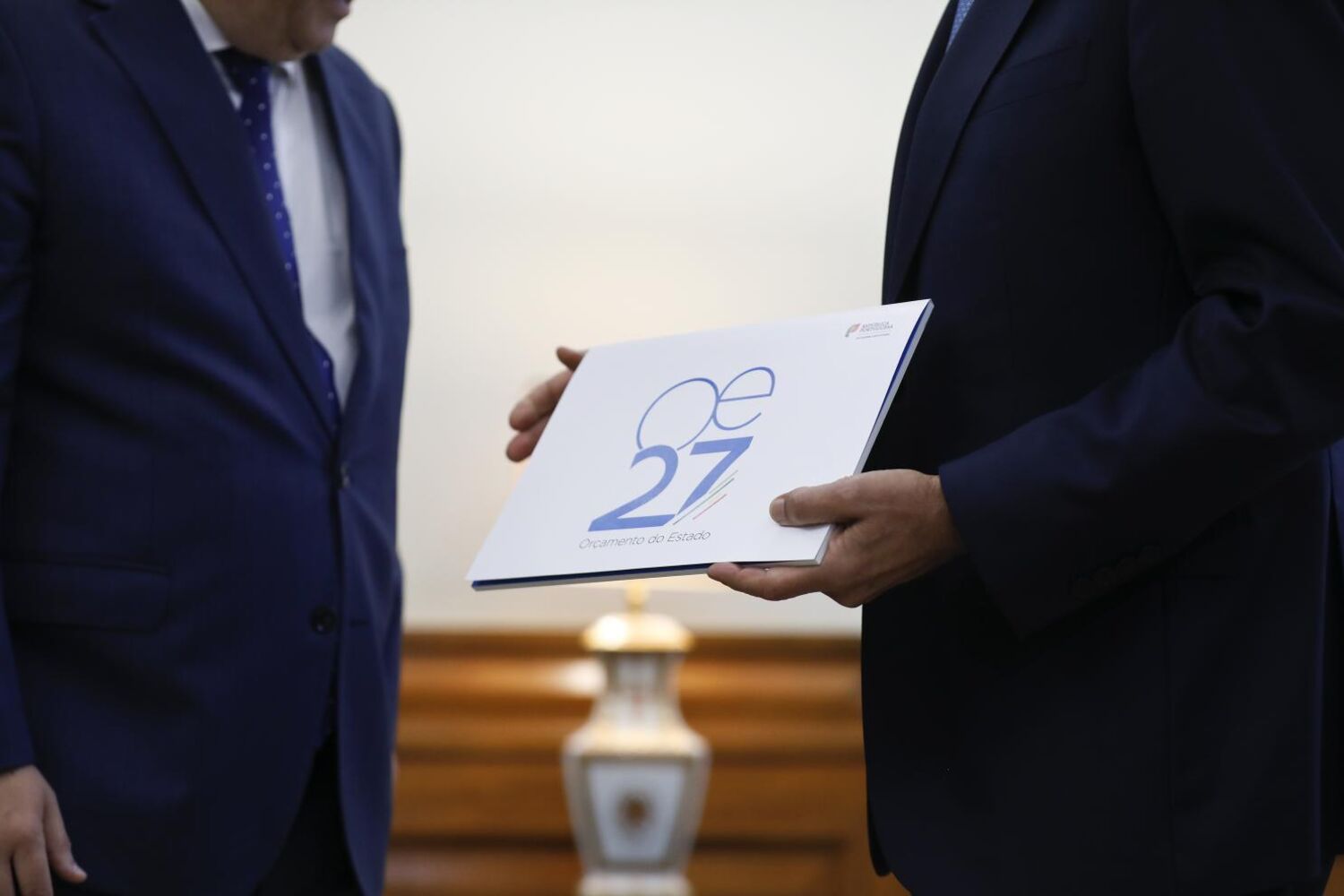
Debate and specialty voting on the 2027 State Budget begin today in Parliament
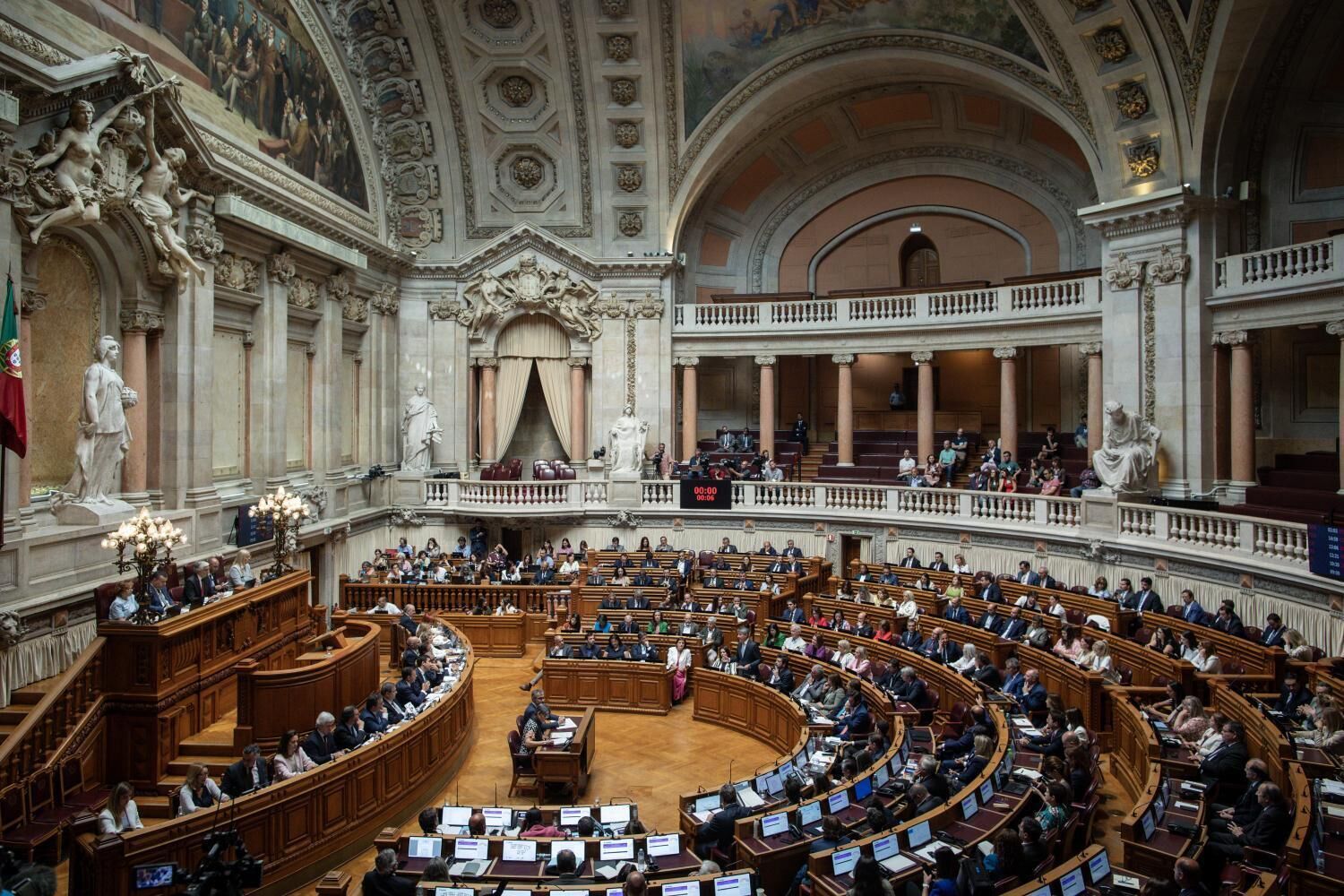
The parliamentary debate and specialty voting on the 2027 State Budget proposals began on Wednesday 18 November 2026. Deputies are reviewing 2,864 proposed amendments, with the process continuing until 23 November 2026, followed by the final global vote on 24 November 2026.
Why it matters
The outcome of these votes may modify the government's original budget proposal, potentially affecting fiscal, social, and public spending policies that impact residents' taxes and benefits from next year.
Interest rates, wages and decisions that affect your budget.
Already have an account?
This update is from Bica
Your quick shot of what's changing in Portugal and affecting your status, your home, your money, and whatever might disrupt your day. Short and clear updates, gathered from Portuguese sources.
It's free to read, with no signup needed and no app to download.
Parliament begins the general debate on the proposed 2027 State Budget today, 27 October. The Public Finance Council (CFP) considers the government's 0.1% budget surplus projection plausible, though it warns that certain economic measures could threaten these targets.
Parliament approved the 2027 State Budget in its final global vote this afternoon, Tuesday 24 November 2026, with the PS abstaining to ensure passage. During the committee stage, nearly 2,900 amendments were reviewed, with the opposition pushing through measures against the executive's wishes, including zero VAT on a basic food basket for three months, freezing higher education tuition fees for the next academic year, turning pensioner bonuses into permanent updates, and tax exemptions on capital gains for selling second homes or empty houses if used for affordable rentals.
The Socialist Party (PS) has decided to abstain from the vote on the 2027 State Budget, allowing the government's proposal to pass the general debate. The PS leader announced that the party will now seek to introduce amendments during the 'specialty' stage of the legislative process, focusing on cost of living and housing measures, while monitoring the government's adherence to commitments made to the PS.