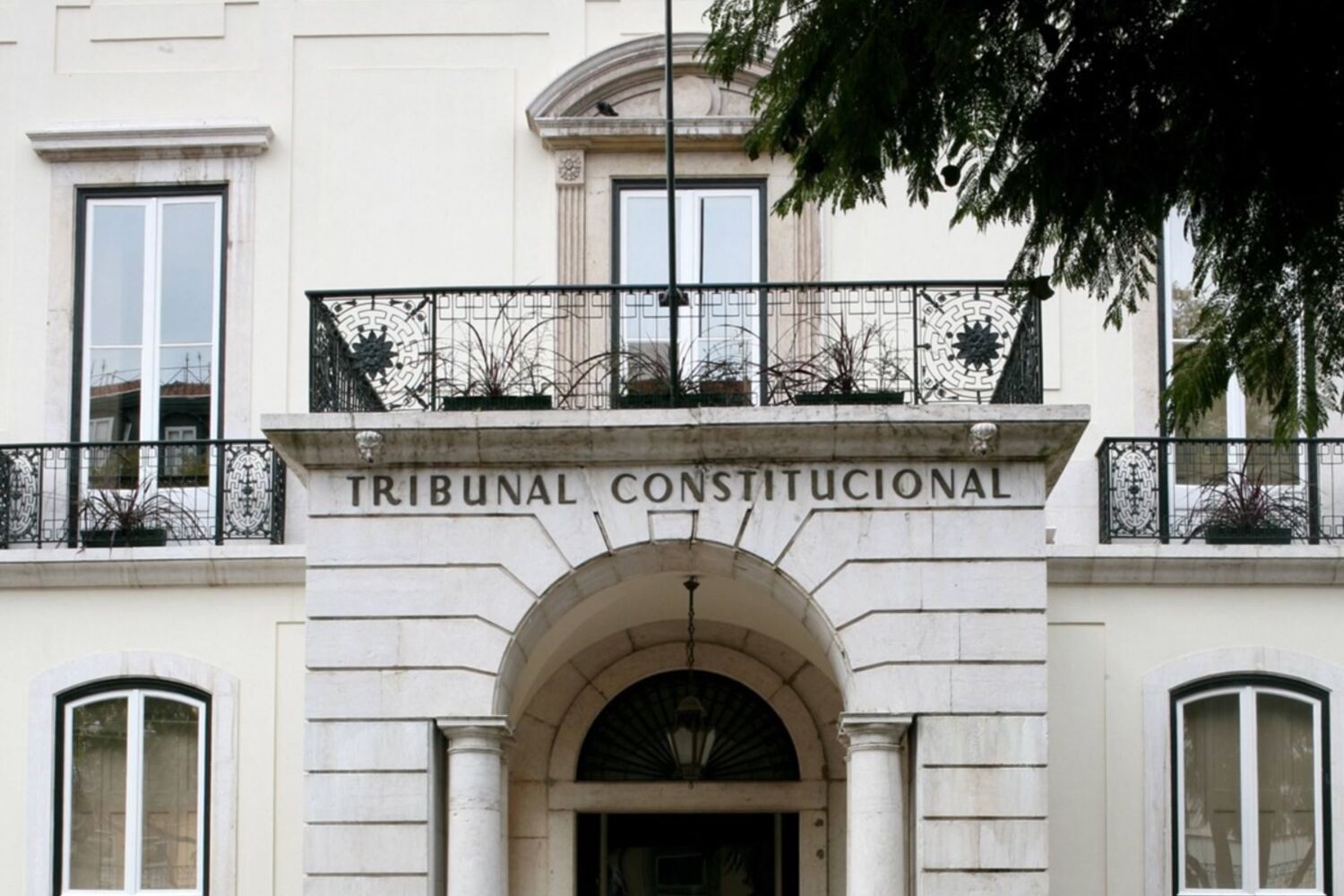
Constitutional Court will decide whether State Budget measures apply
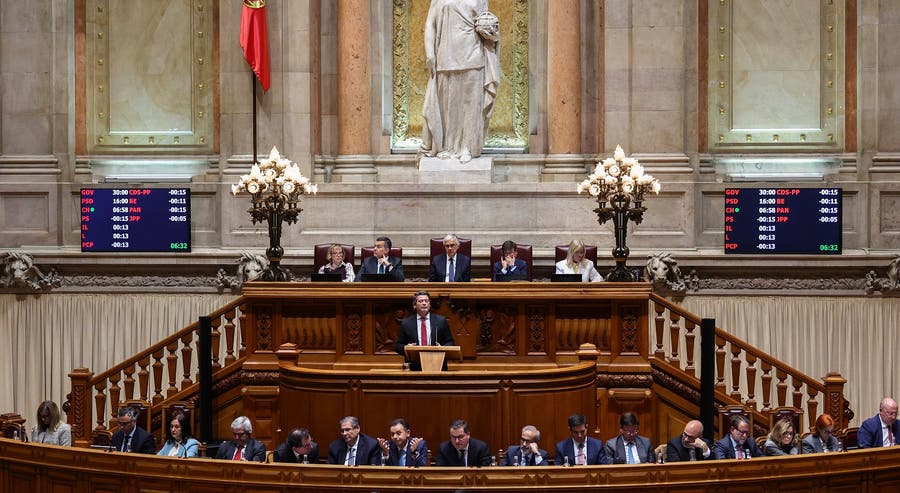
Legal experts indicate that the implementation of the 2027 State Budget measures remains uncertain and cannot be determined unilaterally by the government following the current political dispute. The measures' current phrasing allows for legal ambiguity, making a review by the Constitutional Court the likely path to determine their applicability.
Why it matters
If you are concerned about how political deadlock over the State Budget might affect your finances or public services, note that the legal validity of these measures remains uncertain and subject to potential Constitutional Court review.
Interest rates, wages and decisions that affect your budget.
Already have an account?
This update is from Bica
Your quick shot of what's changing in Portugal and affecting your status, your home, your money, and whatever might disrupt your day. Short and clear updates, gathered from Portuguese sources.
It's free to read, with no signup needed and no app to download.
The Prime Minister stated on Thursday 26 November 2026 that the government will not challenge the State Budget at the Constitutional Court. The government plans to execute the budget as passed by the Assembly, but will not apply specific opposition-led measures it deems unconstitutional, citing its own legal and constitutional interpretation of the separation of powers.
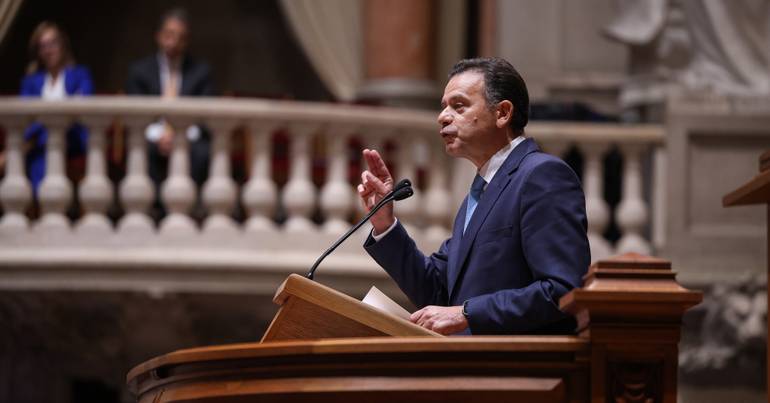
Prime Minister Luís Montenegro announced the Government will not implement certain 2027 State Budget measures approved by the opposition, specifically the zero-VAT rate on essential food items and a change to the IRS tax rate on rental income. Experts debate whether these parliamentary additions are unconstitutional and whether the Government has the authority to refuse their execution.
The government is exploring ways to circumvent budget measures approved by the opposition, specifically the implementation of 0% VAT on essential goods and the conversion of pension bonuses into permanent pension increases. Legal concerns exist regarding whether the definition of essential goods is reserved for parliamentary law, and whether cutting tax benefits for landlords with moderate rents violates constitutional principles of legal certainty. The Prime Minister suggested the government may distinguish between the mandatory and recommendation-based nature of certain approved norms to avoid implementation.