Commission warns of difficult winter in Europe due to energy, despite current relief
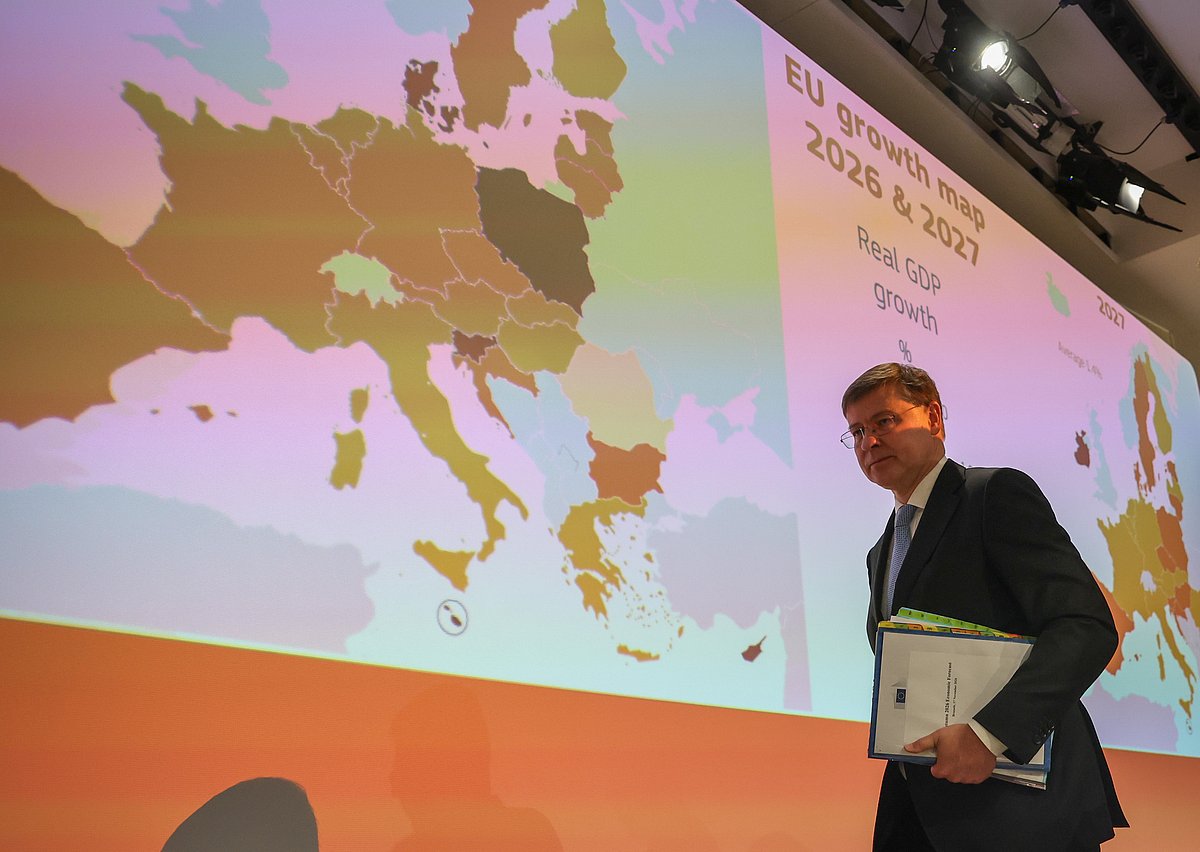
The European Commission warns of a difficult winter for Europe due to low gas reserves, currently at 75% capacity—the lowest since 2011—and ongoing disruptions to oil supplies caused by conflicts in the Middle East. High energy prices, particularly for gas and diesel, are expected to persist, keeping electricity costs for households and businesses above levels seen before the recent regional instability.
Why it matters
If you are living in Portugal, expect continued pressure on your household energy bills throughout the coming winter as energy prices remain significantly higher than historical averages.
Price rises, cuts and rates that change what you pay each month.
Already have an account?
This update is from Bica
Your quick shot of what's changing in Portugal and affecting your status, your home, your money, and whatever might disrupt your day. Short and clear updates, gathered from Portuguese sources.
It's free to read, with no signup needed and no app to download.
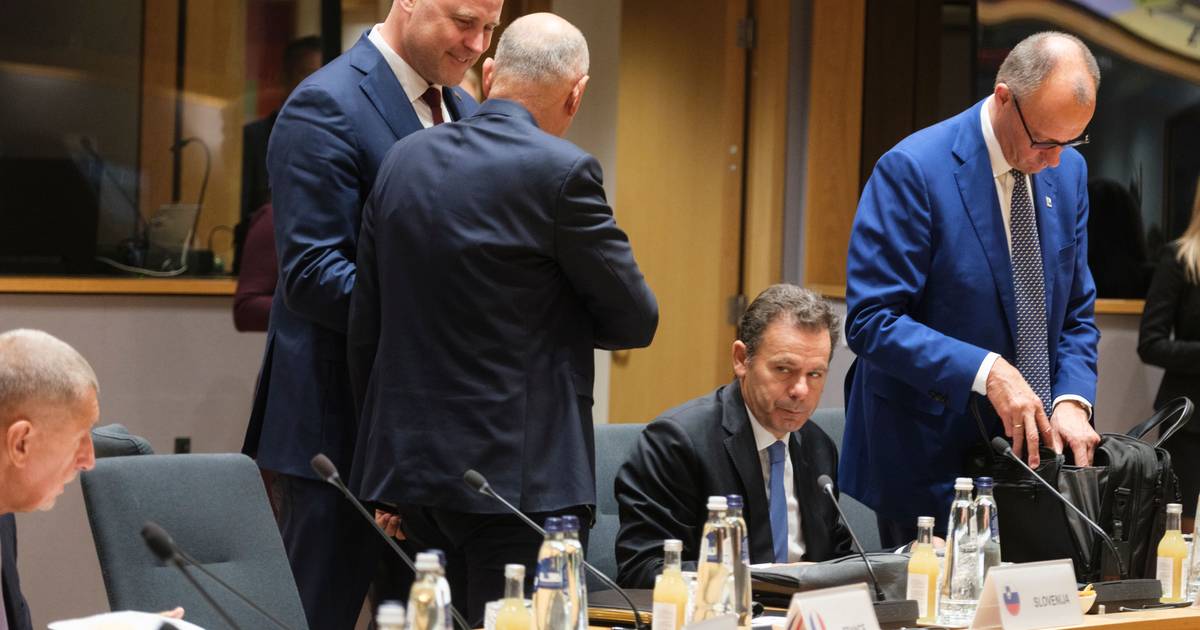
At a summit in Brussels, EU leaders are under pressure to address winter energy prices and seek budget flexibility from the European Commission. Prime Minister Luís Montenegro specifically requested a review of fuel pricing transparency and accounting, acting independently on the matter during discussions.
Scientists have observed an unusually early weakening of the Arctic polar vortex, a phenomenon that can lead to colder temperatures across the northern hemisphere. However, despite the potential for colder weather globally, the Portuguese Institute for the Sea and Atmosphere (IPMA) currently forecasts a warmer and wetter winter than normal for Portugal, including the Azores and Madeira.
Lowering energy bills during colder months requires adjusting daily habits related to heating and lighting. Homeowners should review their electricity contracts to ensure the terms remain optimal as consumption increases. Specific adjustments to domestic routines and contract conditions will reduce total expenditure throughout the winter.