Chega changes vote and keeps reduced IRS for scientific workers

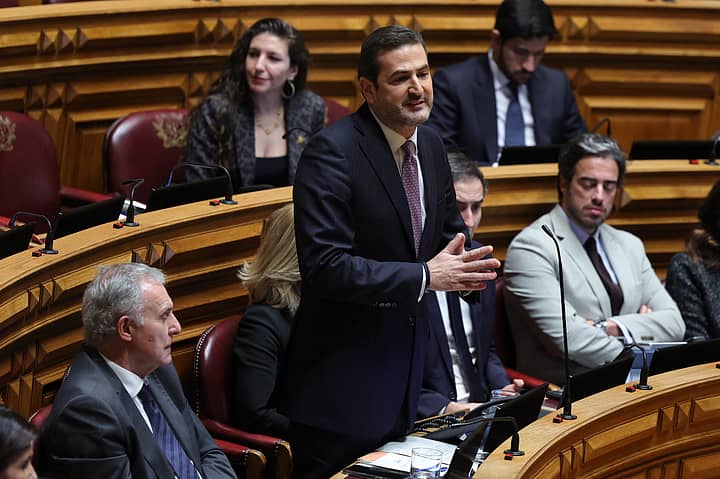
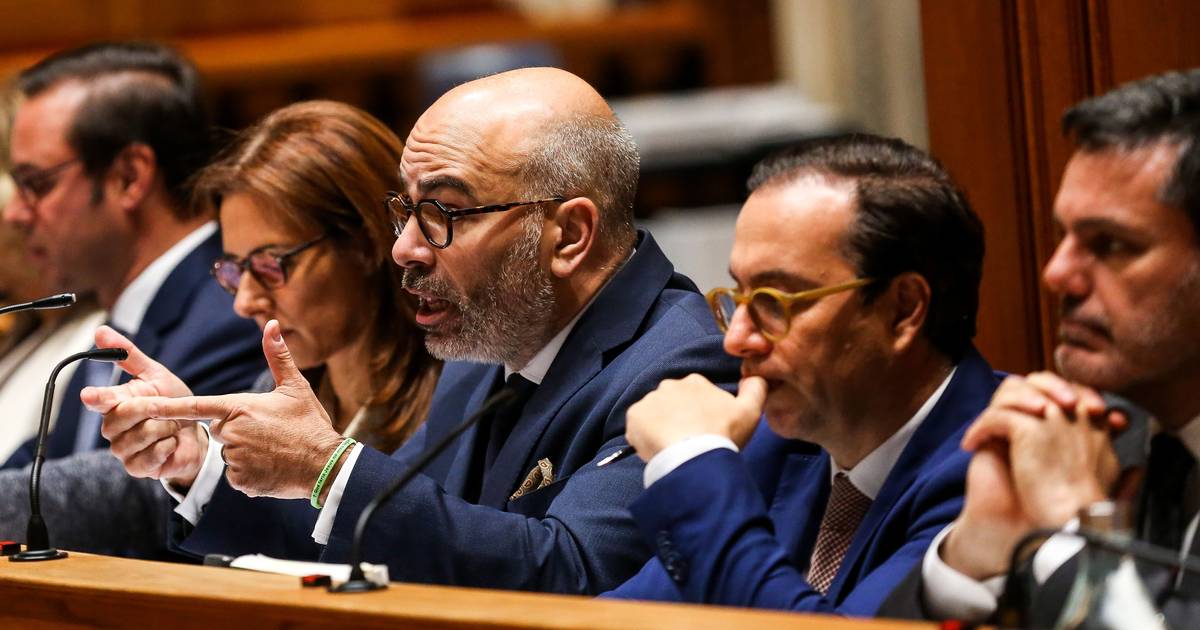
The parliamentary vote on the 2027 State Budget was corrected after a Chega MP changed their vote from 'in favour' to 'against' a PS proposal to revoke the fiscal incentive for scientific workers. This ensures that the 20% flat tax rate for qualifying scientific professionals remains unchanged, and a proposed assessment of this and other schemes—including the NHR and 'digital nomad' visas—by the PLANAPP was also rejected.
Why it matters
If you are a scientific worker benefitting from or planning to apply for this 20% flat tax rate, the benefit will continue as current rules remain in place following the vote correction.
Tax regimes, labour law, social security changes, IRS and deadlines that affect you.
Already have an account?
This update is from Bica
Your quick shot of what's changing in Portugal and affecting your status, your home, your money, and whatever might disrupt your day. Short and clear updates, gathered from Portuguese sources.
It's free to read, with no signup needed and no app to download.
The PSD reversed its position on five housing-related proposals during the 2027 State Budget committee vote on Wednesday 18 November, leading to their approval. These include the "Chave Sénior" program for low-income pensioners, a public housing program for essential workers, the identification of unused state real estate in the Azores and Madeira, improved management and rehabilitation of Social Security's property portfolio, and housing support for the homeless.
The government and opposition reached agreements on tax changes for housing during the second day of the state budget's specialty voting. Approved measures include tax incentives for bringing homes onto the rental market and exemptions for certain mortgage-related stamp duties, while other proposals were rejected.
The Socialist Party (PS) and Chega changed their votes on two proposals during the 2027 State Budget (OE2027) approval process. Both parties successfully approved initiatives to initiate public hiring procedures for staff currently under temporary contracts linked to the Recovery and Resilience Plan (PRR) that meet permanent needs, and to find a solution for their integration.