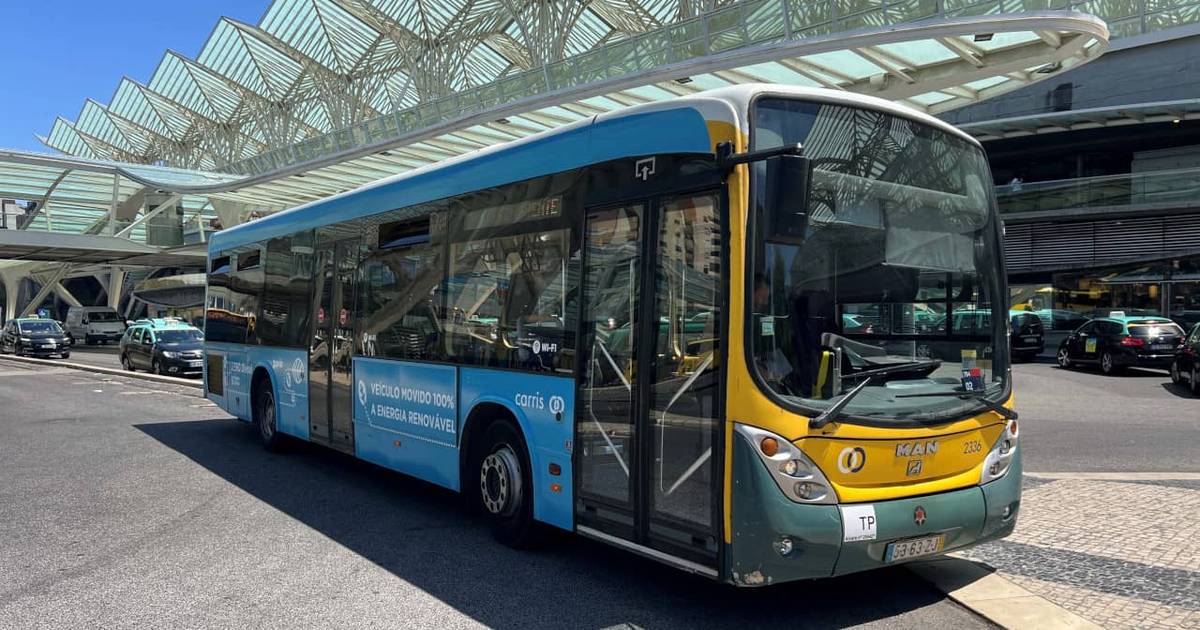
Carris: 150 buses parked daily in workshops and over 200 drivers missing

Carris president Rui Lopo stated that 150 company buses are out of service daily due to breakdowns, representing a 16% immobilisation rate. The operator has achieved a net gain of 150 drivers in 2026 but needs another 215 net hires next year, while 150 electric buses are scheduled to arrive in 2027 as part of a 400-million-euro fleet transformation plan running until 2030.
Why it matters
If you rely on Carris buses in Lisbon, expect ongoing service pressure and reliability issues due to a 16% daily breakdown rate and driver shortages, despite upcoming fleet investments.
Planned metro, train, ferry, flight and road disruptions in your area, by email.
Already have an account?
This update is from Bica
Your quick shot of what's changing in Portugal and affecting your status, your home, your money, and whatever might disrupt your day. Short and clear updates, gathered from Portuguese sources.
It's free to read, with no signup needed and no app to download.
Carris has omitted the average operating speed of its fleet—which includes both trams and buses—from its latest activity and budget plan. In 2025, the company recorded its slowest-ever average speed of 13.66 kilometers per hour.
Transport companies are preparing for the impacts of the Charles depression, resulting in the cancellation of long-distance bus services by Rede Expressos and FlixBus, alongside four CP train services from Lisbon to the south, while Carris, Transtejo, and Metro de Lisboa are currently maintaining their services.
Carris Metropolitana is adding 37 new electric buses to its fleet in the Lisbon Metropolitan Area (AML) effective Friday, 16 October. While the increase is intended to expand service capacity, the head of Transportes Metropolitanos de Lisboa (TML) noted that current infrastructure constraints at key terminals like Oriente, Sete Rios, and Entrecampos currently limit the ability to operate more routes and schedules.