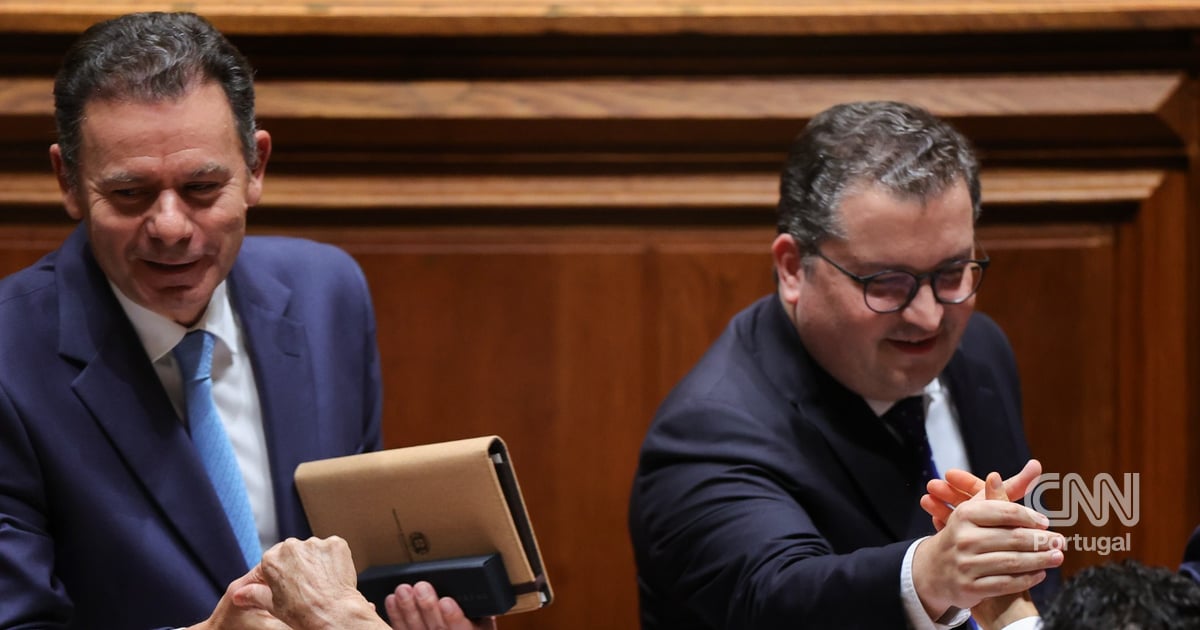
Can Parliament change the state budget? And what will Seguro do?
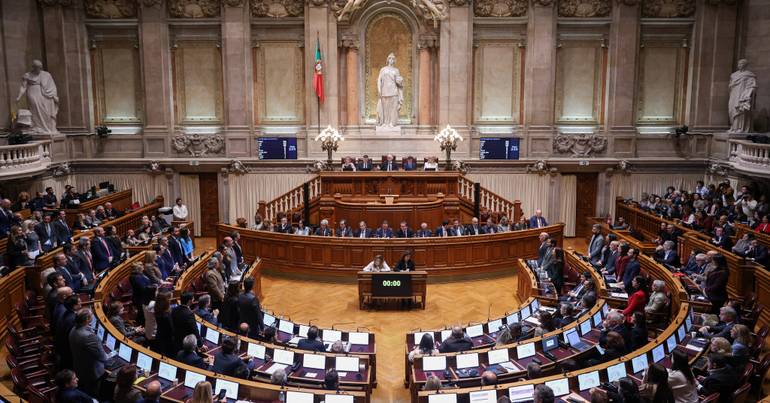
The government has stated it does not intend to implement budget provisions regarding zero-rated VAT, the end of tax benefits for moderate rents, and a pension bonus, despite these being approved by Parliament. The legislative process is expected to reach the President, António José Seguro, by 9 December. He retains the power to promulgate the budget, request preventive judicial review within eight days, or issue a political veto within 20 days.
Why it matters
The government's refusal to implement specific approved budget measures creates political uncertainty regarding potential tax changes and benefits; whether these measures proceed depends on the President's actions after 9 December.
Council decisions and policy changes that affect life where you live.
Already have an account?
This update is from Bica
Your quick shot of what's changing in Portugal and affecting your status, your home, your money, and whatever might disrupt your day. Short and clear updates, gathered from Portuguese sources.
It's free to read, with no signup needed and no app to download.
The Ministry of Finance is preparing a new package of mandatory insurance policies covering catastrophic events for all homes, though no implementation date has been set. The Ministry of Health's budget anticipates additional revenue from this measure.
Prime Minister Luís Montenegro has confirmed the government does not intend to implement specific budget amendments approved by the opposition (PS and Chega) regarding zero-rate VAT on food, tax changes for rents, and changes to the pension bonus. The government argues these parliamentary measures are non-binding recommendations rather than mandatory laws, as managing the state budget is the government's executive responsibility.
Political parties have submitted 2,867 amendment proposals to the 2027 State Budget. Proposed measures include rent caps, a zero-VAT rate on a basket of essential food items, and increases to pension payments.