Study shows Portugal is a low-income country
A new study reveals that Portugal remains a low-income economy, with half of all households reporting an annual income of 15,000 euros or less.

A new study reveals that Portugal remains a low-income economy, with half of all households reporting an annual income of 15,000 euros or less.
This update is from Bica
Your quick shot of what's changing in Portugal and affecting your status, your home, your money, and whatever might disrupt your day. Short and clear updates, gathered from Portuguese sources.
It's free, with no signup and no app to download.
Read today’s briefingAn economic study released this week argues that the zero-VAT policy on food products proposed by the Socialist Party (PS) is not the most effective use of public resources to support low-income families.

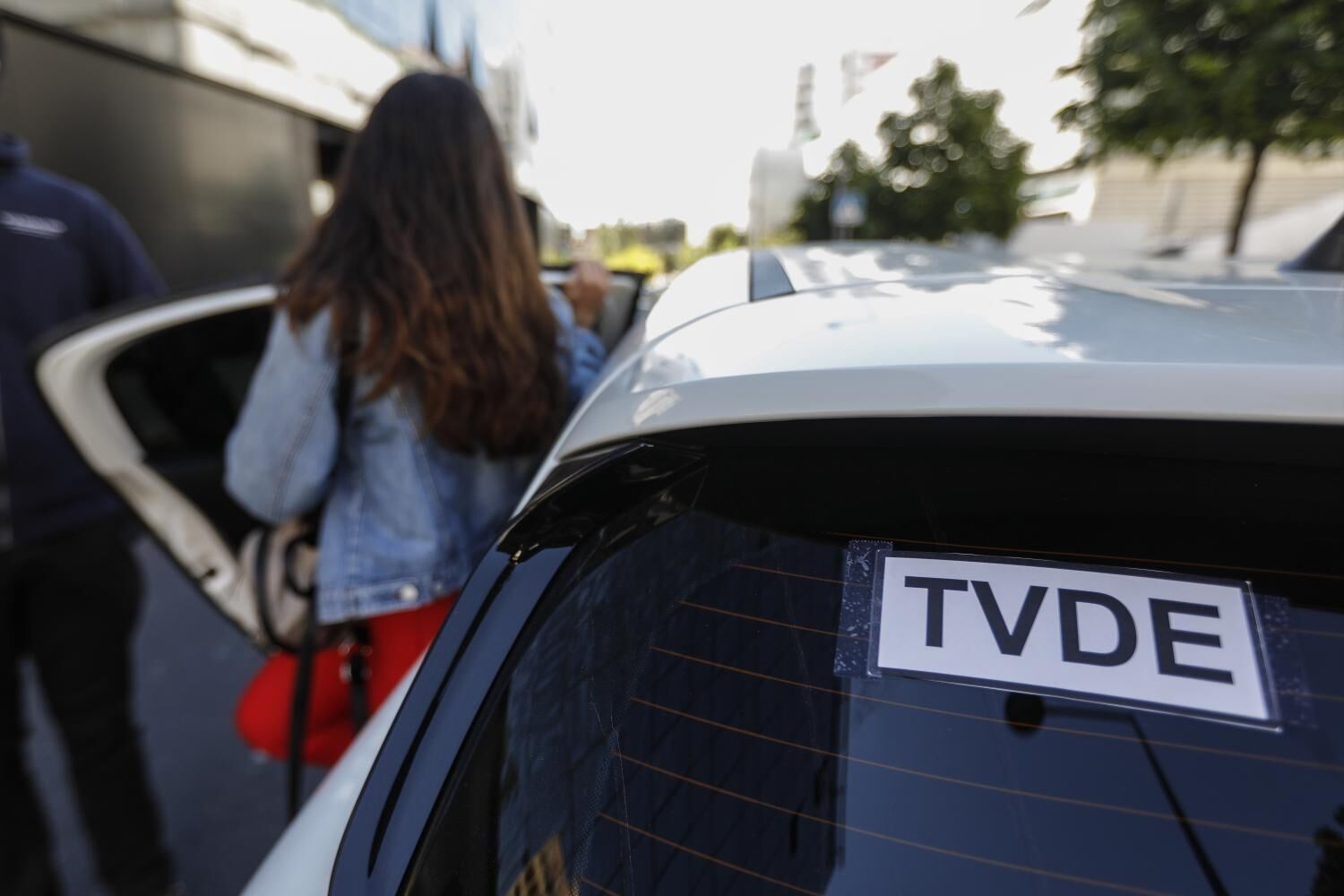
The Regional Government of Madeira announced that a new legal diploma to regulate the TVDE sector is being prepared for the regional parliament, following a study by the region's Institute for Mobility and Transport. Existing licenses, numbering around 800, are safeguarded, but the issuance of new authorizations will be conditioned and the current suspension of new licenses will be extended. The author of the study noted that TVDE supply surged while demand dropped, and a new national law entering into force in September allows autonomous regions to regulate the sector according to their specificities.
An OECD report indicates that most Portuguese students who exceed the standard five-year timeframe to complete secondary school end up dropping out entirely. While the country shows significant progress in academic attainment—with secondary school non-completion dropping from 33% in 2015 to 15% in 2025—data shows that only 2% of those who fall behind remain enrolled, while 14% abandon their studies.