Fish, eggs and legumes record the largest price increases since 2019
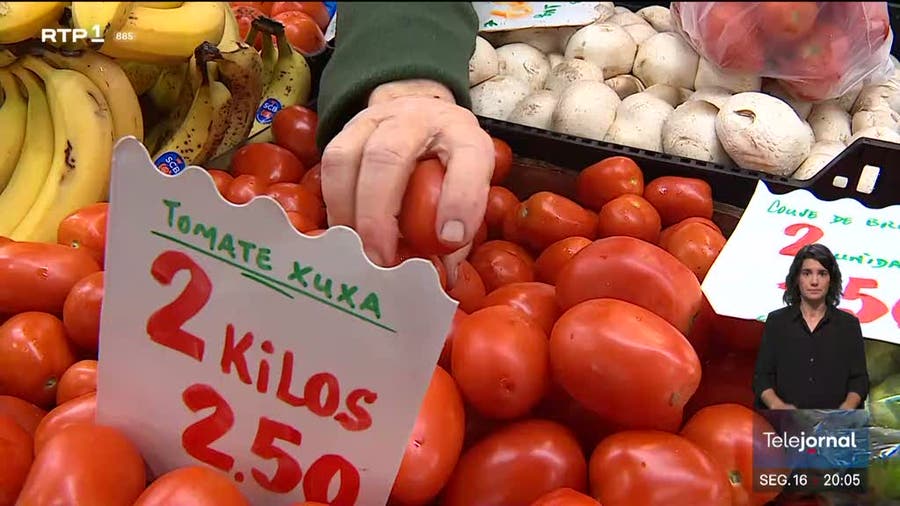
Food prices in Portugal are approximately 40% higher than they were in 2019. This is the highest increase recorded in the eurozone, although it remains below the OECD average.

Food prices in Portugal are approximately 40% higher than they were in 2019. This is the highest increase recorded in the eurozone, although it remains below the OECD average.
This update is from Bica
Your quick shot of what's changing in Portugal and affecting your status, your home, your money, and whatever might disrupt your day. Short and clear updates, gathered from Portuguese sources.
It's free, with no signup and no app to download.
Read today’s briefingFresh food products—including meat, fish, fruit, and vegetables—have seen a price increase of 42.4% since 2015, significantly exceeding the general 24.8% rise in the Consumer Price Index. Eggs led the increases with an 88.9% price surge, followed by meat at 51.5%, largely driven by global energy and fertilizer costs.
Between 2020 and 2025, house prices in Portugal rose by 41.5%, the largest increase among the 18 EU countries that reported growth. Since 2010, the cumulative increase reaches 81.9%, the third highest in the EU, while new housing construction in 2025 remained at less than a quarter of early 2000s levels.

An analysis by Expresso shows that while general wages in Portugal have outpaced inflation since September 2021, the price of many supermarket food staples has increased at a faster rate than salaries over the past five years, leading to a loss in purchasing power for grocery items.