Absences from work due to bad weather: Luís Neves says 'the law is to be followed' and asks for understanding from employers

The Minister of Internal Administration, Luís Neves, stated that the law provides mechanisms to address work absences caused by extreme weather, while appealing for employer flexibility and solidarity. He reiterated the recommendation that companies adopt telework whenever possible during this period of 'deep exception'.
Why it matters
If you are unable to reach your workplace due to current severe weather, you have legal protections for these exceptional situations; check your contract or local labour guidelines for how these absences are processed, as the government is urging employers to show leniency.
Your quick shot of what's changing in Portugal and affecting your status, your home, your money, and whatever might disrupt your day. Short and clear updates, gathered from Portuguese sources.
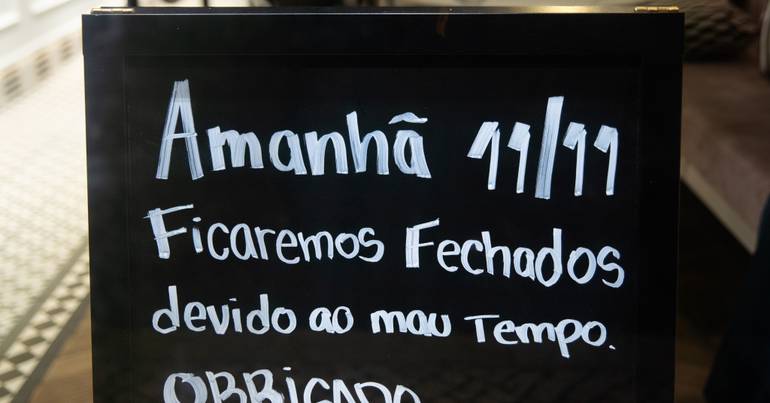
Labour law experts confirm that it is illegal for companies to force employees to use a vacation day when the business closes due to bad weather or government recommendations to avoid travel. Vacation days require mutual agreement and cannot be unilaterally imposed by an employer with 24 hours' notice; if the company chooses to close, it must bear the operational risk and continue to pay the worker.
Under Article 249, number 2, letter D of the Labour Code, absences caused by circumstances beyond the employee's control—such as extreme weather preventing travel—are considered justified. Labour law experts note that while the law does not explicitly list 'storms' as a category, this interpretation holds when authorities issue alerts or advise against travel, and unlike some other justified absences, this type does not result in a loss of remuneration. Employees must inform their employer that they cannot attend work and should keep documentation, such as official weather alerts or Civil Protection warnings, as evidence for their employer.
The government declared an alert situation across the entire mainland territory for Wednesday 11 November 2026, imposing exceptional measures such as the closure of public, private, and social sector educational establishments and non-essential public services. While the decree does not explicitly order private businesses to close or create a special justified-absence regime, the Minister of Internal Administration, Luís Neves, called for telework wherever possible and stated that parents have the right to stay home with minors. Legal experts generally recommend that employers accept justifications and pay the day, including meal allowances, when telework is not possible, pointing to the constitutional right to work in health and safety conditions. However, unions like CGTP argue that the decree merely appeals to employer comprehension without legally guaranteeing paid justified absences for travel difficulties or childcare due to school closures, demanding formal protection so workers suffer no pay cuts.